Section 1: Why Strict Latency Changes the Machine-Learning Engineering Problem Prediction Quality Is Not Enough Whe...
Section 1: Why Real-Time Anomaly Detection Is Harder Than Detecting Outliers Normal Behavior Changes With Time and...
Section 1: Why Tabular Data Is Becoming the Next Foundation-Model Frontier Traditional Tabular ML Has Been Extremel...
Section 1: Why ML Model Efficiency Requires More Than Smaller Models Model Size Is Only One Dimension of Efficiency...
Section 1: Why Efficient ML Is Becoming a Core Engineering Requirement More Compute Does Not Automatically Produce...
Section 1: Why Multimodal Data Pipelines Are Fundamentally Different From Traditional ML Pipelines Multiple Data Ty...
Section 1: Why Static ML Models Struggle in Continuously Changing Environments Production Data Changes Faster Than...
Section 1: Why Streaming Data Changes the Machine-Learning Problem Batch Machine Learning Assumes Stability That St...
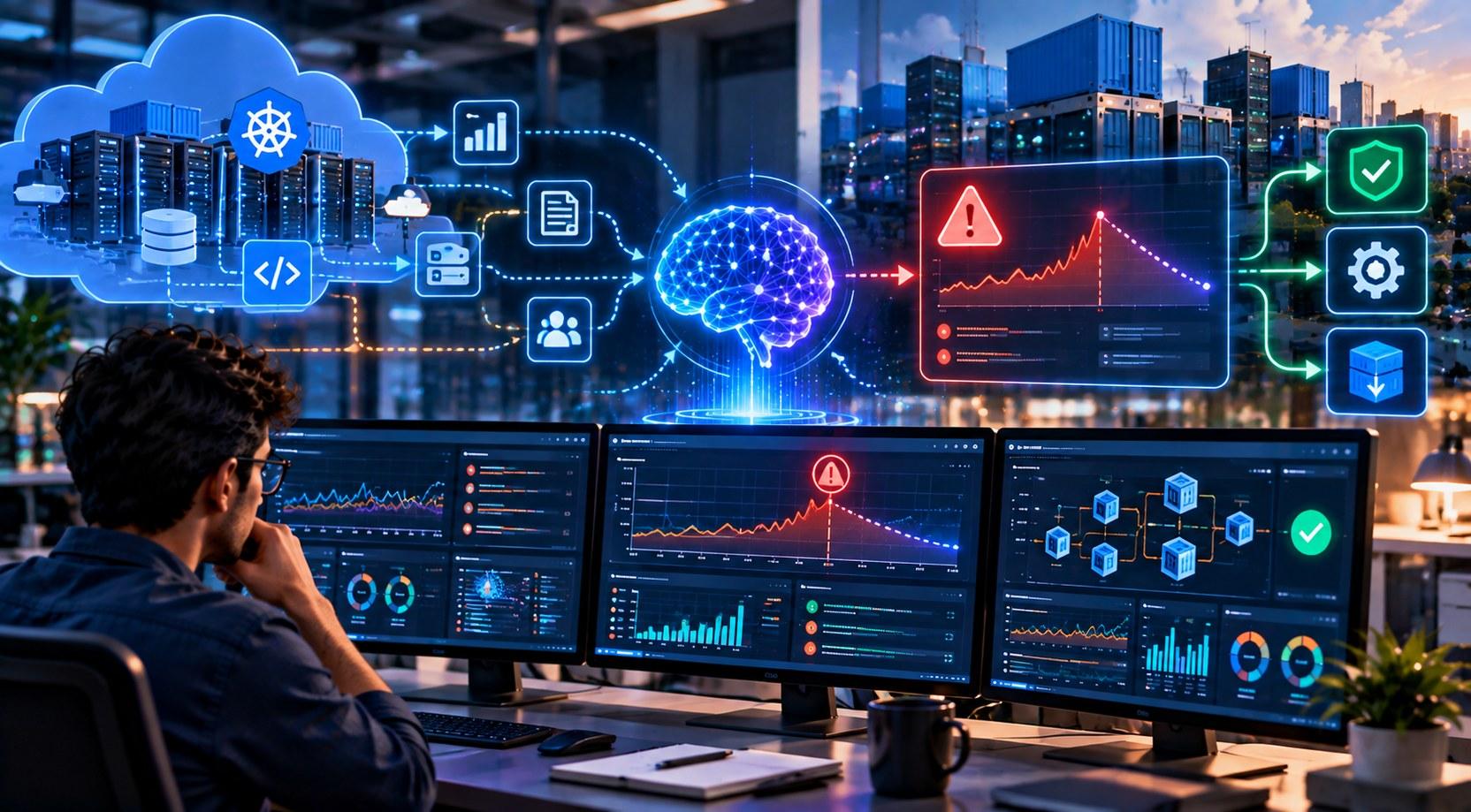
Section 1: Why Traditional Observability Struggles to Predict Modern Software Incidents Monitoring Shows Current St...
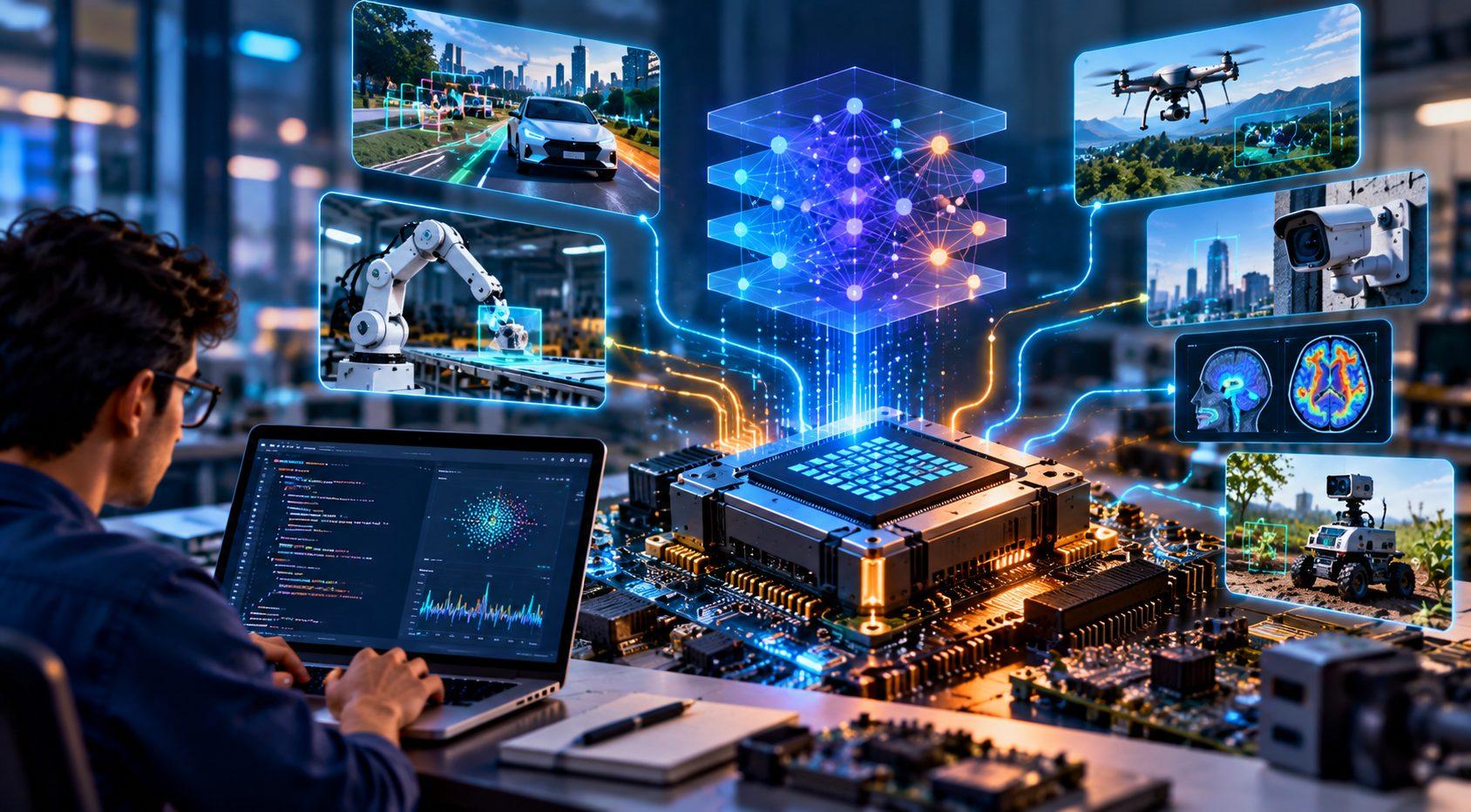
Section 1: Why Custom AI Chips Are Changing Machine-Learning Software Engineering From General-Purpose Compute to S...
Section 1: Why Machine Learning Is Moving From the Cloud to the Edge Cloud Inference Creates Latency and Connectivi...
Section 1: Why Time-Series Foundation Models Represent a Major Shift in Forecasting From Dataset-Specific Forecasti...