Section 1: How Artificial Intelligence Is Quietly Reshaping Every Engineering Team
Artificial intelligence is often discussed in terms of revolutionary breakthroughs, billion-dollar investments, and groundbreaking foundation models. Headlines frequently focus on companies launching powerful AI products, autonomous agents replacing manual work, or organizations rapidly adopting generative AI across their operations. However, one of the most significant transformations is happening far more quietly. Artificial intelligence is gradually changing the daily work of engineering teams without dramatically altering their organizational structure overnight. Instead of replacing developers or creating entirely new departments, AI is becoming deeply embedded within existing engineering workflows, influencing how software is designed, built, tested, deployed, monitored, and maintained.
This gradual transformation is affecting organizations of every size. Enterprise technology companies, startups, financial institutions, healthcare providers, cybersecurity firms, manufacturing organizations, and cloud service providers are all introducing AI-powered capabilities into their engineering processes. Developers increasingly rely on intelligent coding assistants to accelerate implementation. Quality assurance teams use AI to improve testing efficiency. DevOps engineers leverage intelligent monitoring systems to detect anomalies before incidents occur. Product teams use AI to analyze customer behavior and prioritize feature development. Infrastructure teams automate repetitive operational tasks using intelligent workflows. None of these changes eliminate engineering teams, but together they fundamentally reshape how engineers spend their time and where they create value.
For software engineers, this evolution represents both an opportunity and a responsibility. Engineers are no longer expected merely to write code efficiently. They are increasingly expected to collaborate effectively with AI-powered development tools while strengthening the engineering judgment, architectural thinking, and business understanding that intelligent systems cannot easily replicate. Organizations that successfully integrate AI into engineering workflows are discovering that productivity improves most when AI augments experienced engineers rather than attempting to replace them. Understanding how this transformation is unfolding provides valuable insight into the future of engineering careers because AI is becoming a standard component of modern software development whether organizations explicitly identify themselves as AI companies or not.
AI Is Becoming an Invisible Member of Every Engineering Team
One of the most remarkable characteristics of enterprise AI adoption is how naturally intelligent systems are integrating into existing engineering processes. Rather than introducing entirely new workflows, AI increasingly enhances familiar development activities by reducing repetitive effort and allowing engineers to focus on higher-value responsibilities. In many organizations, developers interact with AI dozens of times each day without consciously recognizing how significantly these tools influence software delivery.
Modern coding assistants provide an excellent example of this quiet transformation. Engineers use AI to generate boilerplate code, suggest implementation patterns, explain unfamiliar APIs, identify potential bugs, write documentation, create unit tests, and optimize existing functions. Tasks that previously required extensive manual effort can often be completed in minutes, allowing developers to dedicate more attention to architecture, system design, security, and product innovation. AI therefore functions less as an independent developer and more as an intelligent collaborator supporting routine engineering activities.
The same pattern appears throughout the software development lifecycle. Product managers increasingly rely on AI to summarize customer feedback and identify emerging feature requests. Quality assurance teams use AI-powered testing platforms to generate comprehensive test scenarios automatically. DevOps engineers leverage intelligent monitoring systems capable of detecting infrastructure anomalies before they affect production environments. Security teams use AI to identify vulnerabilities, analyze threat intelligence, and prioritize incident response. Engineering managers analyze delivery metrics using AI-powered analytics to improve sprint planning and resource allocation.
Engineering Teams Are Shifting from Implementation to Decision-Making
As artificial intelligence automates increasingly routine aspects of software development, the value engineers provide is gradually shifting toward activities requiring judgment, creativity, and strategic thinking. Writing code remains essential, but organizations increasingly recognize that implementation alone rarely determines the success of modern software products. Instead, competitive advantage depends upon designing scalable architectures, evaluating technical trade-offs, integrating complex systems, protecting sensitive data, and aligning engineering decisions with long-term business objectives.
This shift is particularly evident within enterprise AI projects. Engineers are no longer asked simply to integrate a language model into an application. They must determine how enterprise knowledge should be retrieved securely, which cloud architecture best supports AI inference, how intelligent workflows interact with existing systems, what governance policies ensure responsible AI behavior, and how production performance should be monitored over time. These responsibilities require engineering judgment extending far beyond code generation because every decision influences reliability, scalability, operational costs, and customer experience.
Engineering collaboration is also becoming increasingly multidisciplinary. AI initiatives frequently involve software engineers, cloud architects, cybersecurity specialists, data engineers, machine learning engineers, product managers, legal teams, and business stakeholders working together throughout the development lifecycle. Engineers who communicate technical concepts effectively while understanding organizational priorities naturally become more influential because successful AI adoption depends upon coordination across multiple technical and business domains.
Perhaps the most important consequence of this transformation is the growing importance of adaptability. Engineering teams must continuously evaluate new AI capabilities, determine where intelligent automation creates genuine value, and integrate emerging technologies without compromising software quality or operational reliability. Organizations increasingly reward engineers who learn rapidly, experiment responsibly, and apply engineering principles thoughtfully rather than simply adopting every new AI tool available.
Software engineers interested in understanding how these changing responsibilities influence long-term careers should also explore "How Engineers Can Stay Employable During the AI Revolution," which examines the engineering capabilities, continuous learning strategies, and multidisciplinary skills that are becoming increasingly valuable as AI reshapes modern software development.
Key Takeaway
Artificial intelligence is quietly transforming engineering teams by integrating into everyday development workflows rather than replacing engineers outright. AI increasingly automates repetitive implementation tasks while allowing professionals to focus on architecture, system design, security, business problem-solving, and technical leadership. As organizations continue embedding AI throughout the software development lifecycle, the most valuable engineers will be those who combine strong software engineering fundamentals with the ability to collaborate effectively with intelligent development tools while making the strategic engineering decisions that AI cannot replace.
Section 2: AI Is Redefining How Engineering Teams Build Software
While artificial intelligence is changing individual engineering workflows, its most profound impact extends far beyond developer productivity. AI is fundamentally reshaping how engineering teams collaborate, make decisions, prioritize work, and deliver software products. Traditional software development often involved clearly separated phases where product managers defined requirements, developers wrote code, testers validated functionality, operations teams handled deployment, and support teams addressed customer issues after release. Modern engineering organizations are increasingly moving toward highly integrated workflows where AI supports every stage of the software development lifecycle, enabling faster iteration, better collaboration, and more informed technical decision-making.
This transformation is not occurring because organizations are replacing established engineering practices. Instead, AI is enhancing the capabilities of every team involved in software delivery. Requirements become clearer through AI-assisted analysis of customer feedback. Development accelerates through intelligent coding assistance. Testing becomes more comprehensive with automated test generation. Deployment becomes safer through predictive monitoring, while production support benefits from AI-powered diagnostics and incident analysis. These incremental improvements collectively create engineering organizations that are significantly more efficient than their traditional counterparts.
Perhaps most importantly, AI is encouraging engineering teams to think beyond implementation. As repetitive development activities become increasingly automated, organizations expect engineers to contribute more actively to product strategy, architectural planning, system optimization, and customer outcomes. The engineer of 2026 is therefore expected to combine technical expertise with business awareness, communication skills, and strategic thinking because software success increasingly depends upon solving organizational problems rather than simply delivering functional code.
Every Stage of Software Development Is Becoming AI-Assisted
One of the defining characteristics of modern software engineering is that artificial intelligence now contributes value across the entire software development lifecycle instead of supporting isolated development tasks. This broad integration is quietly transforming how engineering teams operate because AI enhances each stage of software delivery while preserving established engineering principles and governance processes.
The transformation often begins before development even starts. Product teams increasingly use AI to analyze customer reviews, summarize support tickets, identify recurring pain points, and discover emerging feature requests that might otherwise remain hidden within thousands of user interactions. These insights enable engineering managers and product leaders to prioritize work based on measurable customer needs rather than intuition alone. Requirements become more comprehensive, allowing engineering teams to begin projects with a clearer understanding of expected business outcomes.
During development, AI-powered coding assistants have become valuable collaborators rather than simple automation tools. Developers use intelligent systems to generate repetitive code, explain unfamiliar libraries, recommend implementation approaches, identify potential bugs, create documentation, and suggest optimization opportunities. This assistance reduces time spent on routine implementation while allowing engineers to concentrate on software architecture, scalability, maintainability, and security. The emphasis therefore shifts from writing every line of code manually to reviewing, refining, and validating AI-assisted implementations using professional engineering judgment.
Quality assurance has also undergone significant evolution. AI-powered testing platforms automatically generate test cases, identify edge conditions, prioritize regression testing, and predict areas of software most likely to contain defects. Instead of replacing quality engineers, these systems improve testing coverage while enabling human testers to focus on exploratory testing, usability evaluation, performance validation, and complex integration scenarios that require contextual understanding beyond automated analysis.
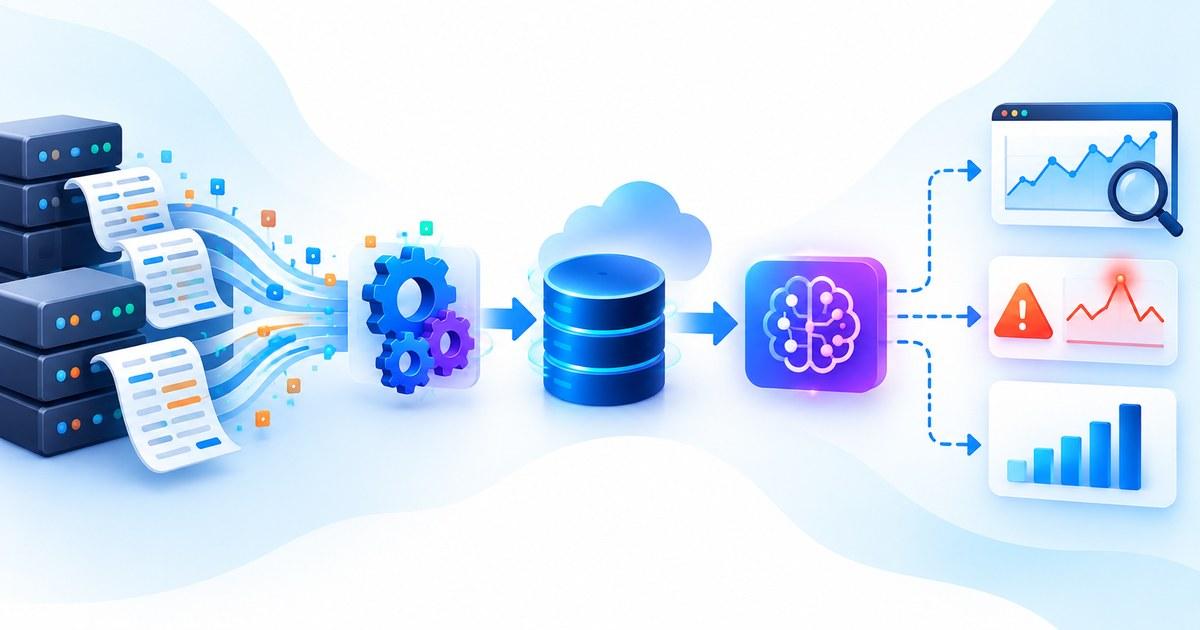
Operations teams experience similar benefits after deployment. AI-powered observability platforms continuously analyze logs, metrics, traces, and infrastructure events to detect anomalies before they escalate into production incidents. Rather than manually reviewing thousands of monitoring alerts, Site Reliability Engineers and DevOps teams receive intelligent recommendations highlighting probable root causes and suggesting remediation strategies. This proactive approach significantly improves operational resilience while reducing incident response times.
The result is an engineering lifecycle where AI continuously supports decision-making without replacing engineering expertise. Human professionals remain responsible for validating outputs, making architectural decisions, protecting software quality, and ensuring intelligent systems operate responsibly within production environments.
Engineering Collaboration Is Becoming More Strategic Than Ever
As artificial intelligence automates repetitive engineering activities, collaboration within technical organizations is becoming increasingly strategic. Engineering teams are spending less time coordinating routine implementation details and more time discussing architectural trade-offs, product direction, infrastructure scalability, security, compliance, customer experience, and long-term technology investments. AI enables this transition by reducing manual effort while providing engineers with richer technical insights throughout the development process.
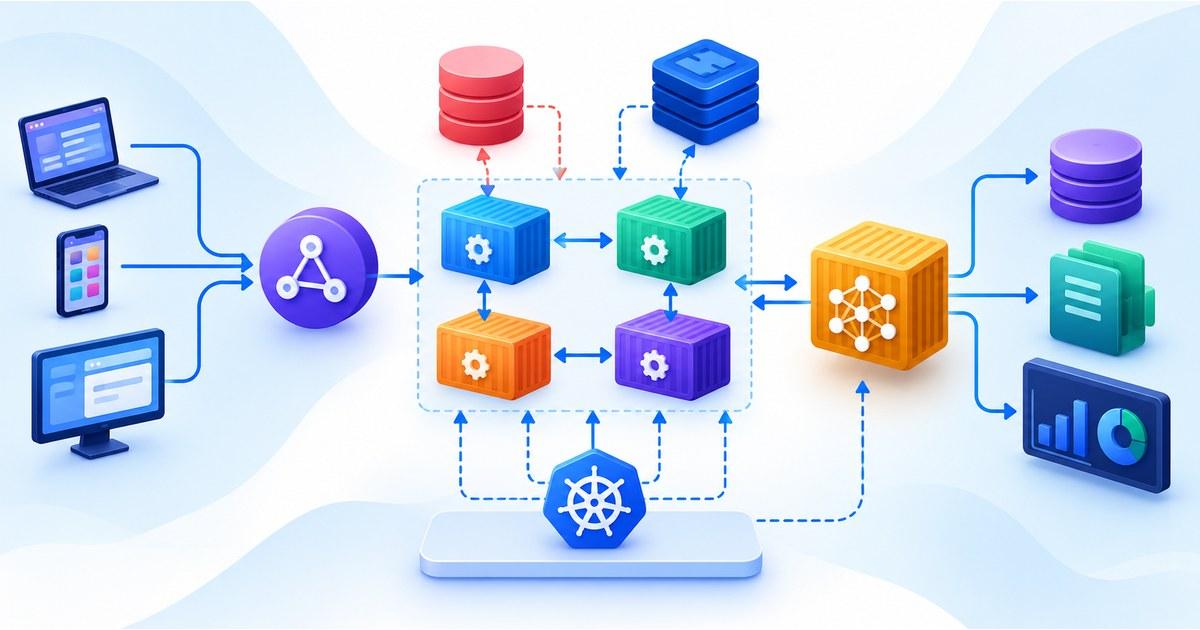
This shift is particularly important because modern software products have become significantly more complex than traditional enterprise applications. A single AI-powered platform may integrate cloud-native microservices, distributed databases, APIs, vector search, Retrieval-Augmented Generation (RAG), foundation models, authentication systems, observability platforms, and multiple third-party services simultaneously. Successfully designing and maintaining these systems requires close collaboration between software engineers, cloud architects, security specialists, platform engineers, AI engineers, product managers, and business stakeholders.
Artificial intelligence strengthens these collaborative efforts by improving access to information and accelerating technical communication. Engineers can rapidly summarize technical documentation, review architecture proposals, analyze production incidents, compare implementation approaches, and understand unfamiliar codebases with AI assistance. New team members onboard more quickly because intelligent tools explain existing systems, while experienced engineers spend less time searching for information and more time solving meaningful engineering challenges.
Engineering leadership is also evolving. Managers increasingly evaluate success based on business outcomes, software reliability, engineering velocity, customer satisfaction, and platform scalability rather than measuring productivity through the amount of code written. AI-generated analytics help leaders identify bottlenecks, forecast delivery risks, optimize resource allocation, and improve sprint planning without relying solely on manual reporting. Consequently, engineering teams become more data-driven while preserving the human judgment required for strategic decision-making.
The organizations benefiting most from AI adoption therefore treat artificial intelligence as a collaborative capability rather than an automation initiative. They invest equally in engineering culture, technical excellence, governance, and continuous learning because sustainable innovation depends upon engineers who know how to combine AI-powered efficiency with sound architectural thinking and responsible software development practices.
Readers interested in understanding how engineering organizations are adapting their hiring strategies to support these evolving responsibilities should also explore "The New Rules of Technical Hiring in an AI-First World," which explains how employers increasingly evaluate collaboration, architectural thinking, AI literacy, and business problem-solving alongside traditional software engineering skills.
Key Takeaway
Artificial intelligence is transforming every stage of the software development lifecycle, enabling engineering teams to move beyond routine implementation toward more strategic collaboration and decision-making. As AI improves planning, development, testing, deployment, monitoring, and cross-functional communication, the most successful engineering organizations will be those that combine intelligent automation with strong engineering principles, multidisciplinary teamwork, and a relentless focus on delivering business value.
Section 3: AI Is Transforming Engineering Roles Without Eliminating Them
One of the biggest misconceptions surrounding artificial intelligence is the belief that engineering teams will eventually become smaller because AI will replace developers. This narrative has gained significant attention as AI coding assistants become more capable, autonomous agents perform increasingly sophisticated tasks, and organizations experiment with intelligent automation across software development. However, the reality inside engineering organizations tells a very different story. Rather than reducing the importance of engineers, artificial intelligence is changing the nature of engineering work by shifting responsibility from repetitive implementation toward complex problem-solving, architectural leadership, and business innovation.
Historically, every major technological advancement has reshaped engineering responsibilities instead of eliminating engineering professions altogether. The introduction of cloud computing reduced the need for manually managing physical servers, but it created entirely new careers in cloud architecture, platform engineering, and Site Reliability Engineering. The adoption of DevOps automated software delivery pipelines, yet demand for skilled engineers increased because organizations delivered software more rapidly than ever before. Artificial intelligence is following this same pattern. As AI automates repetitive coding tasks, engineers are increasingly expected to solve higher-level challenges involving scalable system design, intelligent product development, enterprise integration, governance, security, and long-term technology strategy.
This evolution represents one of the most important changes occurring across the technology industry. Organizations no longer measure engineering value solely by the amount of code written or the speed at which individual features are completed. Instead, they evaluate engineers based on how effectively they design reliable systems, collaborate across technical disciplines, integrate emerging technologies, improve customer outcomes, and make architectural decisions that support long-term business growth. Artificial intelligence therefore amplifies the strategic importance of engineering teams while changing where engineers create the greatest organizational value.
Engineers Are Becoming Architects of Intelligent Systems
As AI becomes deeply integrated into enterprise software, engineering roles are expanding well beyond traditional application development. Modern engineers increasingly design complete intelligent systems rather than isolated software components. Instead of focusing exclusively on writing application logic, they must determine how AI capabilities interact with cloud infrastructure, enterprise data, security policies, compliance requirements, monitoring platforms, and existing business processes.
This expanded responsibility requires significantly broader technical knowledge than conventional software development. Engineers must understand distributed systems, APIs, event-driven architectures, cloud-native infrastructure, identity management, observability, and cybersecurity while simultaneously evaluating foundation models, Retrieval-Augmented Generation (RAG), vector databases, AI agents, orchestration frameworks, and inference optimization strategies. Every architectural decision influences system reliability, operational cost, scalability, customer experience, and regulatory compliance, making engineering judgment more valuable than ever before.
The growing adoption of AI also increases the importance of responsible engineering practices. Organizations deploying intelligent applications must ensure that AI-generated outputs remain accurate, secure, explainable, and aligned with organizational policies. Engineers therefore become responsible for implementing governance frameworks, validating model performance, monitoring production behavior, protecting sensitive enterprise data, and establishing safeguards against unintended AI behavior. These responsibilities cannot simply be delegated to AI because they require contextual understanding, organizational awareness, and professional accountability.
The Future Belongs to Engineers Who Adapt Faster Than Technology Changes
Although artificial intelligence continues advancing at an extraordinary pace, technology itself has never been the defining factor behind long-term engineering success. Throughout the history of software development, the engineers who consistently advanced their careers were those who embraced continuous learning, adapted to changing technologies, and strengthened foundational engineering principles while new tools emerged around them. AI is accelerating this pattern rather than replacing it.
Continuous learning has become an essential engineering capability because AI ecosystems evolve rapidly. Foundation models improve frequently, orchestration frameworks mature quickly, cloud providers introduce new AI services, and enterprise adoption patterns continue changing across industries. Engineers who actively experiment with emerging technologies while maintaining strong software engineering fundamentals remain highly valuable because they can evaluate innovations critically instead of adopting every new trend indiscriminately.
Adaptability also extends beyond technical knowledge. Engineering teams increasingly collaborate with product managers, designers, legal teams, cybersecurity specialists, operations engineers, and business leaders throughout AI initiatives. Successful engineers communicate effectively across these disciplines because intelligent software affects customer experience, compliance, operational efficiency, and strategic business outcomes simultaneously. Technical expertise therefore becomes even more impactful when combined with communication, leadership, and business understanding.
Perhaps the most encouraging aspect of AI adoption is that it creates opportunities for engineers to perform more meaningful work. Instead of spending large portions of their day writing repetitive boilerplate code, manually reviewing documentation, or debugging routine implementation issues, engineers can focus on solving difficult architectural challenges, improving software quality, designing resilient platforms, and delivering innovative customer experiences. AI becomes a productivity multiplier that enables engineering talent to concentrate where human expertise creates the greatest competitive advantage.
The organizations experiencing the strongest results from AI adoption are therefore not reducing engineering investment. Instead, they are expanding engineering capabilities by equipping teams with intelligent tools while encouraging continuous learning, experimentation, and multidisciplinary collaboration. Engineers who embrace this mindset will remain indispensable because technology may automate implementation, but it cannot replace the creativity, judgment, accountability, and strategic thinking required to build trustworthy software systems at enterprise scale.
Readers interested in understanding how these evolving responsibilities are creating entirely new career opportunities should also explore "Why AI Engineering Is Becoming the Highest-Paying Career in Tech," which examines the market forces, enterprise demand, and technical skills driving the rapid growth of AI-focused engineering roles.
Key Takeaway
Artificial intelligence is not reducing the importance of engineering teams, it is redefining where engineers create value. As AI automates repetitive implementation tasks, engineers are becoming architects of intelligent systems, responsible for designing scalable software, integrating AI responsibly, ensuring governance, and aligning technology with business objectives. The engineers who embrace continuous learning, multidisciplinary collaboration, and strategic thinking will remain at the center of software innovation as AI quietly transforms every engineering organization.
Section 4: The Future of Engineering Teams Is AI-Augmented, Not AI-Replaced
As artificial intelligence becomes a standard part of software development, engineering organizations are entering a new era where success depends less on individual technical specialization and more on how effectively humans and AI collaborate. The conversation is gradually shifting away from whether AI will replace engineers toward a far more practical question: How can engineering teams use AI to build better software while preserving the creativity, judgment, and technical excellence that only experienced professionals can provide? Forward-thinking organizations have already recognized that artificial intelligence delivers the greatest value when it enhances engineering capabilities instead of attempting to automate every aspect of software development.
This realization is influencing technology strategies across industries. Companies are investing not only in AI tools but also in engineering education, internal AI platforms, governance frameworks, cloud infrastructure, and multidisciplinary collaboration. Engineering leaders increasingly understand that purchasing an AI coding assistant alone does not create competitive advantage. Sustainable success comes from enabling engineering teams to integrate AI responsibly into existing workflows while maintaining high standards for software quality, security, scalability, and customer experience. Consequently, engineering culture is becoming just as important as technological capability because organizations that combine skilled engineers with intelligent tools consistently outperform those relying on automation alone.
The future therefore belongs to engineering teams that view AI as a collaborative partner rather than an independent replacement for technical expertise. Developers continue making architectural decisions, product engineers continue solving customer problems, platform teams continue building resilient infrastructure, and security specialists continue protecting enterprise systems. AI accelerates these activities, but human engineers remain responsible for determining what should be built, how systems should evolve, and why specific engineering decisions best serve organizational objectives.
Engineering Leadership Is Evolving Alongside AI
Artificial intelligence is changing not only how engineers work but also how engineering leaders guide their teams. Traditionally, engineering management focused heavily on project delivery, resource allocation, sprint planning, and measuring development velocity. While these responsibilities remain important, AI adoption is introducing additional leadership priorities centered on organizational learning, responsible AI implementation, technical governance, and long-term innovation.
Engineering leaders increasingly evaluate how AI influences every aspect of software delivery. They determine which development activities benefit from intelligent automation, establish standards for AI-assisted coding, define governance policies for enterprise AI usage, monitor software quality, and ensure that engineering teams maintain accountability for AI-generated outputs. Instead of measuring success solely by development speed, leaders now balance productivity improvements with software reliability, cybersecurity, regulatory compliance, operational resilience, and customer trust.
Another significant change involves workforce development. Because AI technologies evolve rapidly, organizations increasingly invest in continuous learning programs that help engineers remain current with emerging frameworks, cloud services, AI orchestration platforms, and enterprise development practices. Companies recognize that long-term competitive advantage comes from developing adaptable engineering teams capable of learning new technologies quickly rather than hiring specialists for every emerging AI capability. This emphasis on continuous education strengthens engineering organizations while preparing them for future technological change.
Every Engineer Will Need AI Literacy
Perhaps the most significant long-term consequence of AI adoption is that artificial intelligence is becoming a foundational engineering competency rather than a niche specialization. Just as modern engineers are expected to understand cloud computing, APIs, version control, cybersecurity principles, and distributed systems, AI literacy is rapidly becoming another essential professional skill regardless of an engineer's primary role.
AI literacy does not mean that every engineer must become a machine learning researcher or develop foundation models from scratch. Instead, it involves understanding how intelligent systems function, recognizing their strengths and limitations, evaluating where AI creates meaningful business value, and integrating AI responsibly into production software. Engineers increasingly need to understand concepts such as prompt engineering, Retrieval-Augmented Generation (RAG), vector databases, AI agents, inference optimization, observability, and governance because these technologies are becoming standard components of enterprise software platforms.
Equally important is developing the judgment required to evaluate AI-generated outputs critically. Intelligent systems can accelerate software development dramatically, but they still produce inaccurate recommendations, inefficient implementations, insecure code, or incomplete solutions when used without appropriate oversight. Engineers who combine AI literacy with strong software engineering principles consistently deliver higher-quality systems because they treat AI as an assistant rather than an unquestionable authority.
The widespread adoption of AI also encourages engineers to strengthen uniquely human capabilities that remain difficult to automate. Creative problem-solving, architectural reasoning, stakeholder communication, ethical decision-making, mentoring, technical leadership, and business strategy become increasingly valuable because these responsibilities require contextual understanding extending far beyond code generation. Organizations therefore continue investing in experienced engineers who can guide AI adoption responsibly while maintaining software quality and customer trust.
Ultimately, the engineering teams that thrive over the coming decade will not necessarily be those using the largest number of AI tools. They will be the teams that successfully combine intelligent automation with disciplined engineering practices, continuous learning, cross-functional collaboration, and thoughtful decision-making. Artificial intelligence quietly changes every engineering team because it transforms how engineers work together, solve problems, and deliver value, but the defining characteristic of successful organizations will remain the expertise, adaptability, and leadership of the people building the software.
Readers interested in understanding how these long-term industry shifts are shaping engineering careers should also explore "The Next Decade of AI Engineering: Predictions Every Developer Should Watch," which examines how AI adoption, engineering roles, enterprise architectures, and hiring expectations are expected to evolve through the coming years.
Key Takeaway
The future of engineering teams is not defined by AI replacing developers but by AI becoming a trusted collaborator throughout the software development lifecycle. Organizations will increasingly value engineers who combine technical excellence, AI literacy, architectural thinking, communication, and continuous learning while using intelligent tools to build secure, scalable, and innovative software systems. As AI quietly becomes part of every engineering organization, human expertise will remain the foundation that transforms technological capability into lasting business success.
Conclusion
Artificial intelligence is often portrayed as a disruptive force that will fundamentally replace engineers, rewrite software development, and eliminate traditional engineering roles. While these narratives generate attention, they fail to reflect what is actually happening inside modern engineering organizations. The most significant impact of AI is not dramatic replacement but quiet transformation. Across every stage of the software development lifecycle, artificial intelligence is becoming an integral part of how engineering teams think, collaborate, build, deploy, and maintain software. Rather than changing engineering overnight, AI is steadily reshaping everyday workflows in ways that improve productivity while elevating the importance of human expertise.
One of the most important observations from this transformation is that engineering itself is becoming more strategic. Activities that once consumed large amounts of engineering time, writing boilerplate code, generating documentation, creating repetitive test cases, searching through technical documentation, debugging common implementation issues, and analyzing operational logs, are increasingly supported by intelligent systems. As these routine responsibilities become more automated, engineers gain greater opportunities to focus on architecture, scalability, security, reliability, customer experience, and business innovation. This shift enables engineering teams to spend more time solving meaningful problems instead of performing repetitive implementation work.
The adoption of AI is also encouraging stronger collaboration across engineering organizations. Modern software products are no longer built by isolated development teams working independently through sequential phases. Instead, software engineers, platform engineers, AI engineers, DevOps specialists, cybersecurity professionals, product managers, designers, and business stakeholders increasingly work together throughout the entire product lifecycle. Artificial intelligence supports this collaboration by improving knowledge sharing, accelerating technical communication, analyzing customer feedback, identifying engineering risks, and providing actionable insights that help teams make faster and more informed decisions. Organizations that successfully integrate AI therefore strengthen collaboration rather than reducing the importance of teamwork.
Another important lesson emerging from enterprise AI adoption is that engineering judgment has become even more valuable. Artificial intelligence can generate code, summarize documentation, recommend architectural patterns, and automate repetitive development activities, but it cannot fully understand organizational priorities, customer expectations, regulatory requirements, ethical considerations, or long-term business strategy. Engineers remain responsible for evaluating trade-offs, validating AI-generated outputs, protecting software quality, ensuring security, maintaining compliance, and making architectural decisions that influence the future of technology platforms. These responsibilities require experience, critical thinking, and accountability that extend far beyond automation.
Frequently Asked Questions
1. How is AI changing engineering teams?
AI is improving engineering workflows by assisting with coding, testing, documentation, monitoring, debugging, planning, and knowledge retrieval. Rather than replacing engineers, it helps teams work more efficiently and focus on higher-value engineering tasks.
2. Is AI replacing software engineers?
No. AI is automating repetitive development activities, but engineers remain responsible for architecture, system design, security, technical leadership, product strategy, and ensuring software quality.
3. Which engineering teams benefit most from AI?
Nearly every engineering discipline benefits from AI, including software engineering, DevOps, Site Reliability Engineering (SRE), platform engineering, quality assurance, cybersecurity, cloud engineering, and product engineering.
4. How does AI improve software development?
AI accelerates development by generating code suggestions, creating documentation, producing test cases, identifying bugs, analyzing logs, summarizing technical information, and helping engineers solve problems more quickly.
5. Does every company need an AI engineering team?
Not necessarily. Many organizations successfully integrate AI capabilities into existing engineering teams instead of creating separate AI departments, especially when adopting commercial AI platforms and foundation models.
6. What skills should engineers develop to work effectively with AI?
Engineers should strengthen software engineering fundamentals while learning AI literacy, cloud computing, Retrieval-Augmented Generation (RAG), vector databases, prompt engineering, AI governance, and production AI deployment practices.
7. Will AI reduce engineering jobs?
Current industry trends suggest that AI is changing engineering responsibilities rather than eliminating engineering positions. Organizations continue hiring engineers while expecting broader technical capabilities and stronger AI awareness.
8. How is AI changing engineering leadership?
Engineering leaders increasingly focus on AI governance, responsible adoption, workforce development, engineering productivity, cross-functional collaboration, and balancing automation with software quality and security.
9. Can AI write production-ready software without engineers?
AI can generate useful code, but production software still requires human review, architectural planning, testing, security validation, compliance checks, performance optimization, and ongoing maintenance by experienced engineers.
10. Why is AI literacy becoming important for every engineer?
AI is becoming a standard component of enterprise software development. Understanding how AI systems work enables engineers to integrate intelligent capabilities responsibly while evaluating AI-generated outputs effectively.
11. How does AI improve collaboration within engineering teams?
AI accelerates knowledge sharing, summarizes technical documentation, analyzes customer feedback, assists with onboarding, identifies engineering risks, and improves communication across multidisciplinary engineering teams.
12. What industries are adopting AI across engineering teams?
Technology, finance, healthcare, manufacturing, retail, telecommunications, automotive, logistics, cybersecurity, education, and enterprise software organizations are all integrating AI into engineering operations.
13. What human skills will remain most valuable in AI-powered engineering teams?
Architectural thinking, critical problem-solving, communication, leadership, business understanding, creativity, ethical decision-making, customer empathy, and engineering judgment will continue to differentiate outstanding engineers.
14. How should engineers prepare for the future of AI-assisted software development?
Engineers should continue building expertise in software architecture, cloud platforms, distributed systems, cybersecurity, DevOps, and AI technologies while maintaining a habit of continuous learning and experimentation.
15. What is the biggest takeaway about AI and engineering teams?
The biggest change is not that AI is replacing engineers, it is quietly changing how engineering teams operate. The most successful organizations will combine intelligent automation with experienced engineers who can design scalable systems, make sound technical decisions, and deliver long-term business value through thoughtful innovation.