
Section 1: Why AI Agents Become More Complex in Production
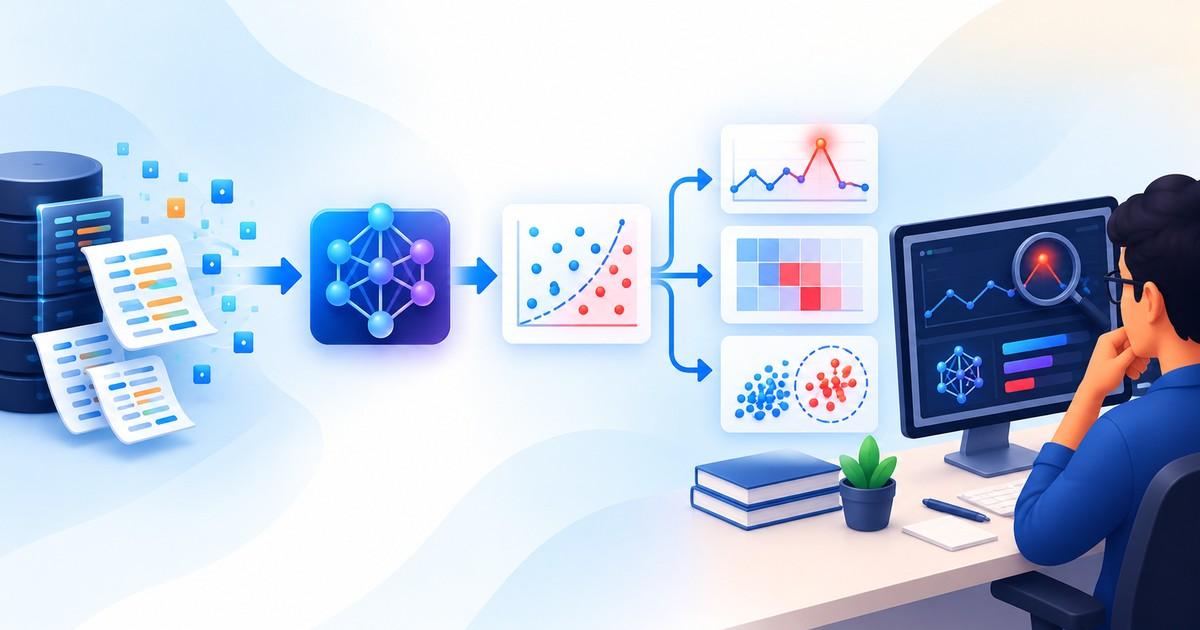
The excitement around AI agents often begins with impressive demonstrations. In a controlled environment, an agent can answer questions, retrieve information, interact with tools, and complete tasks with remarkable fluency. These demonstrations create the impression that deploying an AI agent is simply a matter of connecting a Large Language Model to a few APIs and making it available to users. In reality, production environments expose a level of complexity that is rarely visible during prototypes.
Unlike traditional software systems, AI agents operate in dynamic and often unpredictable environments. They interact with users who may provide ambiguous instructions, access data that changes constantly, and depend on external systems that may not always behave as expected. As a result, the transition from proof of concept to production is often where organizations discover the true challenges of agentic AI.
The Gap Between Demos and Real-World Deployments
Many AI projects begin with a narrowly scoped demonstration designed to highlight a specific capability. A support agent may successfully answer customer questions, a coding assistant may generate useful code snippets, or a research agent may summarize documents accurately. These outcomes are valuable, but they do not necessarily reflect the realities of production use.
In production, systems must handle thousands or even millions of requests, often under varying conditions. Users may phrase requests in unexpected ways, provide incomplete information, or ask questions that fall outside the agent’s intended scope. External services may experience outages, APIs may return inconsistent results, and data sources may contain conflicting information.
What appears reliable during testing can become significantly less predictable when exposed to real-world usage. Organizations quickly discover that successful AI deployment requires much more than achieving impressive results in isolated examples.
Multiple Components Mean Multiple Failure Points
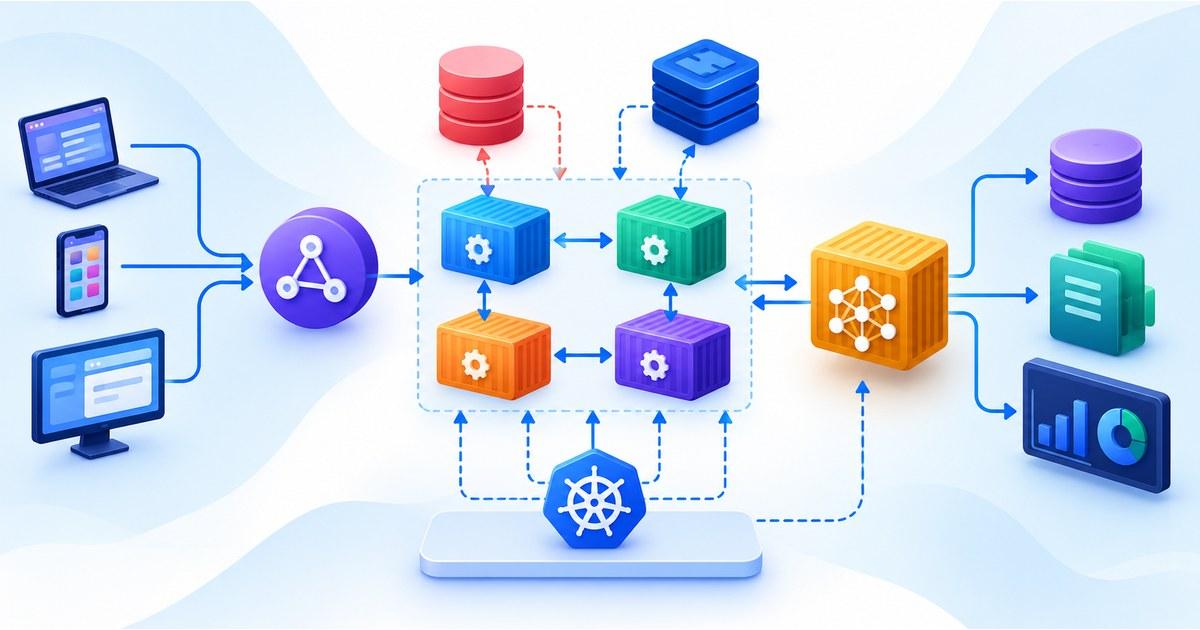
One of the reasons agentic systems are powerful is that they combine multiple architectural components. A production agent often includes a language model, retrieval system, memory layer, orchestration framework, tool integrations, monitoring infrastructure, and security controls.
While each component adds valuable functionality, each component also introduces additional risk. If a retrieval system provides inaccurate information, the agent’s response may become misleading. If an external API fails, workflow execution may stop entirely. If memory systems store outdated information, decision quality may degrade over time.
Traditional machine learning systems generally have a smaller operational surface area. Agentic systems, by contrast, involve a network of interconnected components that must function together reliably. The complexity of managing these interactions is one of the primary reasons production deployments are significantly more challenging than prototypes.
As organizations scale AI initiatives, engineering teams increasingly need expertise in infrastructure, monitoring, and operational design. This shift is reflected "MLOps vs. ML Engineering: What Interviewers Expect You to Know in 2025," which explores how modern AI roles increasingly focus on end-to-end system thinking rather than model development alone.
Autonomy Creates New Operational Challenges
Traditional software behaves according to predefined logic. Engineers know how the system should respond under specific conditions because the workflow is explicitly programmed. AI agents introduce a degree of autonomy that fundamentally changes this relationship.
Agents make decisions about how to accomplish objectives. They choose which information to retrieve, which tools to use, and what actions should happen next. This flexibility creates significant value, but it also makes behavior less predictable.
Two users may submit similar requests and receive slightly different execution paths. An agent may decide to retrieve additional information before responding or choose a different strategy based on contextual factors. While these capabilities improve adaptability, they also make debugging, testing, and monitoring substantially more difficult.
Engineering teams must therefore think differently about reliability. Rather than validating only outputs, they must evaluate reasoning processes, tool usage patterns, execution paths, and workflow outcomes.
Scaling AI Agents Requires More Than Better Models
A common misconception is that production challenges can be solved simply by using larger or more advanced models. While model quality certainly matters, many production failures have little to do with the model itself.
Issues often emerge from orchestration logic, data quality, integration failures, security gaps, or inadequate monitoring systems. Organizations that focus exclusively on model performance frequently underestimate the importance of surrounding infrastructure.
Successful production deployments require robust architectures that account for reliability, observability, governance, and operational resilience. The organizations achieving the greatest success with AI agents are not necessarily those using the most advanced models. They are the ones building systems capable of handling the realities of production environments.
Key Takeaway
AI agents become significantly more complex when deployed in production because they operate in dynamic environments, depend on multiple interconnected components, and make autonomous decisions. While prototypes often demonstrate impressive capabilities, production success requires robust infrastructure, reliability engineering, monitoring systems, and operational safeguards. Understanding this complexity is the first step toward building scalable and trustworthy agentic AI systems.
Section 2: The Biggest Risks of Deploying AI Agents in Production
Hallucinations and Incorrect Decision-Making
One of the most widely discussed risks associated with AI agents is hallucination. Large Language Models can generate responses that sound confident, logical, and convincing while being factually incorrect. In a standalone chatbot, this may simply result in an inaccurate answer. In an agentic system, however, the consequences can be significantly more severe because the agent may use incorrect information to drive actions and decisions.
The challenge becomes particularly serious when agents are granted access to external tools and business systems. An agent that misinterprets customer information, retrieves inaccurate documentation, or reasons incorrectly about a workflow may execute actions that create operational problems. Unlike traditional machine learning systems that typically produce bounded outputs, agentic systems often influence downstream processes, meaning errors can propagate across multiple systems.
For example, imagine an AI-powered internal operations assistant tasked with generating compliance reports. If the agent retrieves outdated policy documents and uses them as the basis for its recommendations, the resulting report may appear credible while containing significant inaccuracies. Employees relying on those recommendations may unknowingly make decisions based on flawed information.
The difficulty is that hallucinations are not always obvious. Traditional software failures often generate visible errors, while hallucinated outputs frequently appear reasonable at first glance. This makes detection and mitigation particularly challenging in production environments.
Organizations deploying AI agents must therefore establish mechanisms for validating outputs, verifying retrieved information, and implementing human oversight for high-impact decisions. The goal is not simply to improve model accuracy but to prevent incorrect reasoning from influencing critical business processes.
Security and Access Control Risks
As AI agents become more capable, they are increasingly integrated with enterprise systems such as databases, cloud platforms, communication tools, code repositories, and customer management applications. While these integrations expand functionality, they also create new security challenges.
Traditional applications typically operate within carefully defined permissions and workflows. AI agents, by contrast, may dynamically determine which tools to use and what actions to perform. Without proper safeguards, this flexibility can create unintended access paths that expose sensitive information or allow unauthorized actions.
Consider an agent connected to an organization's internal knowledge base and customer records. If access controls are not properly implemented, users may inadvertently retrieve confidential information that should remain restricted. Similarly, an agent with write permissions to operational systems could perform actions that conflict with organizational policies if guardrails are insufficient.
Prompt injection attacks represent another emerging concern. In these scenarios, malicious instructions embedded within retrieved content or user inputs attempt to manipulate the agent's behavior. An agent that blindly trusts external information may follow instructions that compromise security, reveal sensitive data, or bypass intended restrictions.
As AI systems gain broader access to enterprise infrastructure, security must become a foundational architectural consideration rather than an afterthought. Engineers building production agents increasingly need to understand authentication frameworks, authorization models, data governance policies, and secure tool integration practices.
This growing emphasis on secure AI deployment is one reason organizations are seeking engineers with broader system-level expertise. "Security in Machine Learning: Interview Questions You Don’t Expect," explores how security considerations are becoming an increasingly important part of modern AI and machine learning roles.
The future of agentic AI will depend not only on intelligence but also on the ability to operate safely within complex enterprise environments.
Reliability and Workflow Failures
Unlike traditional software systems, AI agents often operate through multi-step workflows involving retrieval systems, reasoning processes, external APIs, and execution frameworks. Each stage introduces potential points of failure.
A retrieval system may return incomplete information. An API may experience downtime. A tool integration may produce unexpected outputs. A reasoning step may misinterpret the results of a previous action. While any individual failure may appear manageable, the cumulative effect can significantly reduce overall reliability.
This challenge becomes more pronounced as workflows grow more complex. A customer support agent may need to access multiple systems before resolving a request. A software engineering assistant may interact with repositories, documentation platforms, monitoring tools, and testing environments. Each dependency increases the likelihood of interruptions and unexpected behavior.
Traditional software testing methods often struggle to address these challenges because agentic systems do not always follow deterministic execution paths. Two similar requests may trigger different workflows depending on context, making exhaustive testing difficult.
As a result, production-grade AI agents require extensive monitoring and observability capabilities. Organizations need visibility not only into final outputs but also into intermediate decisions, tool interactions, retrieval results, and workflow execution patterns. Understanding why an agent behaved a certain way is often just as important as evaluating the outcome itself.
Reliability is therefore not merely a model problem. It is a system architecture problem involving orchestration, infrastructure, integration quality, and operational design.
Trust, Governance, and Accountability
Perhaps the most significant challenge facing organizations deploying AI agents is maintaining trust. Businesses, customers, and employees need confidence that AI systems will behave responsibly, consistently, and transparently.
Trust becomes difficult when decision-making processes are opaque. If an agent recommends a course of action, stakeholders may want to understand how that recommendation was generated. If an agent makes a mistake, organizations must determine who is responsible and how future incidents can be prevented.
Governance frameworks help address these concerns by establishing clear rules regarding acceptable behavior, oversight mechanisms, escalation procedures, and accountability structures. These frameworks become increasingly important as agents move from low-risk tasks to high-impact business processes.
Organizations that successfully deploy AI agents recognize that trust is not earned solely through intelligence. It is earned through reliability, transparency, security, and responsible governance. Without these foundations, even highly capable agents may struggle to gain widespread adoption.
Key Takeaway
The biggest risks of deploying AI agents in production extend far beyond model performance. Hallucinations can lead to incorrect decisions, security vulnerabilities can expose sensitive information, workflow failures can reduce reliability, and weak governance can undermine trust. Organizations that treat AI deployment as a comprehensive systems challenge rather than a model challenge are far more likely to build safe, scalable, and effective agentic solutions.
Section 3: Building Reliable AI Agents – Best Practices for Production Deployments
Start With Narrowly Defined Use Cases
One of the most common reasons AI agent projects fail is that organizations attempt to automate too much too quickly. The capabilities demonstrated by modern language models often create the impression that agents can immediately handle complex business processes across multiple departments. In practice, successful production deployments typically begin with narrowly defined use cases that have clear objectives, measurable outcomes, and controlled operational boundaries.
Organizations that achieve long-term success with agentic AI usually start by identifying repetitive workflows that consume significant human effort but involve manageable levels of risk. These workflows provide an ideal environment for validating system behavior, evaluating performance, and identifying operational challenges before expanding the scope of deployment.
For example, rather than building an enterprise-wide AI operations assistant from day one, a company may begin with an agent that helps engineering teams retrieve documentation, summarize incident reports, or answer internal knowledge-base questions. These focused use cases allow teams to gain experience with monitoring, evaluation, and governance while minimizing business risk.
A gradual rollout strategy also creates opportunities to collect feedback and improve system performance. Every production deployment reveals edge cases that are difficult to anticipate during development. By starting small, organizations can refine their architecture and operational processes before introducing additional complexity.
The most effective AI adoption strategies prioritize reliability and measurable business impact over ambitious demonstrations. Production success is often achieved through incremental progress rather than large-scale transformation.
Establish Human Oversight and Approval Mechanisms
Despite rapid advances in AI capabilities, fully autonomous operation remains risky for many business-critical workflows. Production systems should therefore incorporate human oversight mechanisms that align with the level of risk associated with the agent’s actions.
Not every decision requires human review. Low-risk tasks such as summarizing documents, retrieving information, or generating internal reports may operate with minimal supervision. However, workflows involving financial transactions, customer communications, security operations, legal recommendations, or infrastructure changes often require additional safeguards.
A common best practice is the implementation of human-in-the-loop architectures. In these systems, agents perform research, generate recommendations, or prepare actions, but final approval remains with a human operator. This approach allows organizations to benefit from automation while maintaining accountability and reducing operational risk.
Human oversight is particularly important during the early stages of deployment. Monitoring how users interact with agents provides valuable insights into failure patterns, unexpected behaviors, and areas requiring additional guardrails. Over time, organizations may increase autonomy as confidence in system reliability grows.
This principle is increasingly influencing hiring expectations as well. Companies are looking for engineers who understand not only model development but also governance and operational safety. "The New Rules of AI Hiring: How Companies Screen for Responsible ML Practices," explores how responsible AI development is becoming a core competency for modern AI professionals.
The objective is not to eliminate human involvement entirely but to ensure that AI systems augment human decision-making in a safe and controlled manner.
Invest in Monitoring, Evaluation, and Observability
Traditional software monitoring focuses on metrics such as uptime, latency, error rates, and infrastructure utilization. While these metrics remain important, agentic systems require a much broader approach to observability.
Organizations must monitor not only whether an agent responds successfully but also how it arrives at its decisions. This includes tracking retrieval quality, tool usage patterns, workflow completion rates, reasoning outcomes, user feedback, and overall task success. Without visibility into these components, diagnosing failures becomes extremely difficult.
For example, if an agent generates an incorrect recommendation, the root cause may originate from multiple sources. The retrieval system may have surfaced outdated information. A tool integration may have returned incomplete data. The agent may have interpreted valid information incorrectly. Comprehensive observability allows engineering teams to identify which component contributed to the failure.
Evaluation frameworks should also extend beyond traditional accuracy metrics. Organizations increasingly measure factors such as task completion rates, workflow efficiency, user satisfaction, consistency, and business impact. These metrics provide a more realistic understanding of how agents perform in production environments.
Continuous evaluation is especially important because production environments evolve over time. Documentation changes, APIs are updated, user behavior shifts, and business requirements evolve. Monitoring systems must therefore be capable of detecting performance degradation before it affects end users.
Successful agentic AI deployments treat observability as a core architectural requirement rather than an optional enhancement.
Design for Failure, Not Just Success
One of the most important principles of production engineering is assuming that failures will occur. Agentic systems interact with complex environments where external dependencies, changing data, and unpredictable user behavior make occasional failures inevitable.
Organizations should therefore design systems with resilience in mind. Agents should be capable of handling incomplete information, recovering from tool failures, retrying operations when appropriate, and escalating issues when automated resolution is not possible. Graceful degradation is often more valuable than attempting to maximize autonomy at all costs.
For example, if an external service becomes unavailable, an agent should communicate the limitation clearly rather than generating potentially misleading information. If a workflow cannot be completed safely, the system should escalate the task to a human operator instead of proceeding with uncertain assumptions.
Resilience also involves maintaining detailed logs, preserving execution histories, and implementing rollback mechanisms where necessary. These capabilities allow teams to investigate incidents, identify root causes, and improve system behavior over time.
The most reliable AI agents are not those that never fail. They are the ones designed to detect failures, recover gracefully, and minimize business impact when unexpected situations arise.
Key Takeaway
Building reliable AI agents requires more than advanced models. Organizations should begin with narrowly defined use cases, implement human oversight mechanisms, invest heavily in monitoring and observability, and design systems that can handle failures gracefully. The most successful production deployments focus on operational reliability, governance, and continuous improvement rather than pursuing maximum autonomy from the outset.
Section 4: The Future of Production AI Agents – Scaling Responsibly and Sustainably
Moving From Individual Agents to Agent Ecosystems
The first generation of production AI systems was largely focused on individual agents performing specific tasks. Organizations deployed customer support assistants, coding assistants, research agents, and workflow automation tools designed to operate within clearly defined boundaries. While these deployments have delivered measurable value, the next phase of agentic AI is moving toward interconnected ecosystems where multiple agents collaborate to achieve broader business objectives.
Instead of relying on a single agent to handle every aspect of a workflow, organizations are beginning to build specialized agents that focus on particular domains. One agent may handle information retrieval, another may perform data analysis, while a third coordinates execution and reporting. This approach mirrors how human teams operate, with individuals contributing specialized expertise toward a common goal.
For example, in a software engineering environment, one agent may analyze application logs, another may investigate infrastructure metrics, and a third may generate incident summaries for stakeholders. Together, these agents can solve problems more effectively than a single monolithic system.
However, managing multiple agents introduces additional complexity. Communication protocols, task delegation, conflict resolution, and workflow orchestration become increasingly important. Organizations must ensure that agents collaborate effectively without creating operational inefficiencies or inconsistent outcomes.
As agent ecosystems grow, architecture design becomes a critical differentiator. The future of production AI will depend not only on model capabilities but also on how organizations structure interactions between increasingly sophisticated agent networks.
Governance Will Become a Competitive Advantage
As AI agents gain access to more business-critical systems and perform increasingly important functions, governance will move from a compliance requirement to a strategic necessity. Organizations that fail to establish strong governance frameworks may struggle with reliability, regulatory compliance, customer trust, and operational scalability.
Governance encompasses far more than access controls and security policies. It includes defining acceptable agent behavior, establishing approval workflows, monitoring decision-making processes, documenting execution histories, and ensuring accountability for outcomes. These practices help organizations maintain control over systems that are becoming progressively more autonomous.
Regulatory expectations are also evolving rapidly. Governments and industry bodies around the world are introducing frameworks focused on AI transparency, explainability, risk management, and data protection. Enterprises deploying agentic systems will increasingly need to demonstrate how decisions are made, how information is accessed, and how risks are mitigated.
Organizations that proactively invest in governance today will be better positioned to scale AI adoption tomorrow. Rather than viewing governance as a barrier to innovation, leading companies are recognizing it as an enabler of sustainable growth.
This growing emphasis on responsible AI is also influencing hiring decisions. Modern AI teams increasingly seek engineers who understand both technical implementation and operational accountability. "The Hidden Skills ML Interviewers Look For (That Aren’t on the Job Description)" explores how system thinking, risk awareness, and responsible decision-making are becoming highly valued skills in AI and machine learning roles.
The future of AI deployment will belong not only to organizations that build powerful agents but also to those that build trustworthy ones.
Cost Efficiency Will Define Long-Term Success
While much of the conversation around agentic AI focuses on capabilities, long-term production success will depend heavily on economics. Organizations can build impressive AI systems, but if operational costs outweigh business value, large-scale deployment becomes difficult to justify.
Many production agents rely on multiple Large Language Model calls, retrieval pipelines, orchestration frameworks, memory systems, and external APIs. Each component contributes to overall infrastructure costs. As usage grows, these expenses can increase rapidly, particularly in customer-facing applications serving large user populations.
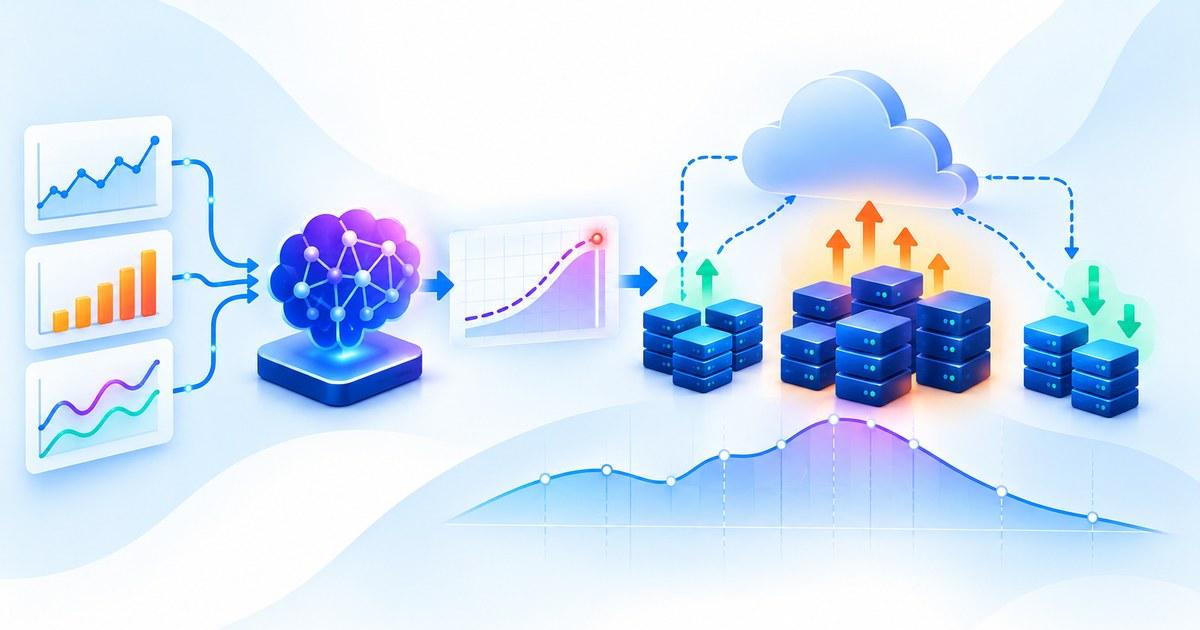
This reality is forcing organizations to think carefully about efficiency. Rather than using the most powerful model for every task, companies are increasingly adopting tiered architectures where smaller models handle routine requests while larger models are reserved for complex reasoning tasks. Intelligent routing strategies, caching mechanisms, retrieval optimization, and workflow simplification are becoming essential components of production AI architectures.
Cost optimization is particularly important because AI agents are often evaluated not only on technical performance but also on return on investment. Business leaders want to understand whether an agent reduces operational expenses, improves productivity, accelerates decision-making, or enhances customer satisfaction. Technical sophistication alone is rarely sufficient.
The organizations that achieve the greatest success with agentic AI will be those that balance capability, reliability, and cost efficiency simultaneously.
Human-AI Collaboration Will Remain the Dominant Model
Despite ongoing discussions about autonomous AI systems, the most realistic future for production AI is one centered on collaboration rather than replacement. AI agents are exceptionally effective at processing information, automating repetitive tasks, and coordinating workflows, but human judgment remains essential for strategic thinking, ethical considerations, and complex decision-making.
Successful organizations increasingly view AI agents as collaborators that augment human capabilities rather than eliminate the need for human expertise. Engineers use agents to accelerate development workflows. Analysts use agents to conduct research more efficiently. Operations teams use agents to identify issues and generate recommendations. In each case, humans remain responsible for oversight, validation, and final decision-making.
This collaborative model provides several advantages. It improves productivity while maintaining accountability, reduces operational risk, and allows organizations to gradually increase automation as confidence in system performance grows. Most importantly, it creates an environment where humans and AI contribute complementary strengths.
As agentic AI continues to evolve, the goal should not be complete autonomy but effective partnership. The most valuable production systems will be those that combine machine efficiency with human judgment, creating workflows that are both scalable and trustworthy.
Key Takeaway
The future of production AI agents will be shaped by multi-agent ecosystems, stronger governance frameworks, cost-efficient architectures, and human-AI collaboration. Organizations that focus solely on model capabilities will struggle to scale, while those that prioritize trust, operational efficiency, and responsible deployment will be best positioned to realize the long-term value of agentic AI. The next generation of successful AI systems will not simply be intelligent, they will be reliable, accountable, and designed for sustainable growth.
Conclusion
AI agents have rapidly evolved from experimental prototypes to powerful production systems capable of transforming how organizations operate. Their ability to reason, plan, retrieve information, interact with tools, and execute workflows makes them fundamentally different from traditional machine learning applications. As businesses seek higher levels of automation and efficiency, agentic AI is becoming an increasingly important part of modern software architectures.
However, deploying AI agents in production is far more complex than building a proof of concept. Organizations quickly discover that success depends on much more than selecting a capable Large Language Model. Production-grade systems must operate reliably under real-world conditions, interact safely with enterprise infrastructure, manage evolving data sources, and maintain user trust over time.
The challenges are significant. Hallucinations can lead to incorrect decisions, security vulnerabilities can expose sensitive information, workflow failures can disrupt operations, and inadequate governance can undermine trust. Unlike traditional software systems, agentic applications introduce dynamic decision-making and autonomous execution, creating new operational risks that require careful management.
The most successful organizations recognize that production AI is ultimately an engineering problem rather than a model problem. They invest in monitoring, observability, governance, security, evaluation frameworks, and human oversight mechanisms. Rather than pursuing maximum autonomy from the beginning, they deploy agents incrementally, validate outcomes continuously, and build safeguards that ensure reliability at scale.
Looking ahead, AI agents will become increasingly integrated into business processes across industries. Multi-agent architectures, improved reasoning capabilities, stronger governance frameworks, and more efficient infrastructure will continue to expand what these systems can achieve. At the same time, human oversight and accountability will remain essential components of responsible AI deployment.
For software engineers, ML engineers, and AI architects, understanding how to move AI agents from experimentation to production is becoming one of the most valuable skills in the industry. The future will not belong to organizations that simply adopt AI agents. It will belong to those that deploy them responsibly, operate them reliably, and continuously improve them as part of a broader intelligent system.
The companies that succeed with agentic AI will be the ones that balance innovation with discipline. Building a powerful agent is impressive. Building one that is secure, reliable, scalable, and trusted is what ultimately creates lasting business value.
Frequently Asked Questions
1. What is an AI agent in a production environment?
An AI agent in production is an autonomous or semi-autonomous system that uses AI models, retrieval systems, memory, and external tools to perform real-world tasks and workflows while serving actual users or business operations.
2. Why is deploying AI agents more difficult than building prototypes?
Prototypes operate in controlled environments with limited scenarios, while production systems must handle unpredictable user behavior, system failures, changing data sources, security requirements, and scalability challenges.
3. What is the biggest risk when deploying AI agents?
One of the biggest risks is incorrect decision-making caused by hallucinations, poor retrieval results, or flawed reasoning. Since agents can execute actions, errors may have direct business consequences.
4. How do hallucinations affect production AI systems?
Hallucinations occur when AI generates inaccurate or fabricated information. In production environments, this can lead to poor recommendations, incorrect decisions, compliance issues, or customer dissatisfaction.
5. Why is observability important for AI agents?
Observability helps teams understand how agents make decisions, which tools they use, where failures occur, and how workflows perform. It is critical for troubleshooting and improving reliability.
6. What role does human oversight play in production AI?
Human oversight ensures that high-risk decisions are reviewed and validated before execution. It provides accountability and reduces the risk of harmful or costly mistakes.
7. How can organizations improve AI agent reliability?
Reliability can be improved through extensive testing, monitoring, fallback mechanisms, validation layers, retrieval quality controls, and continuous evaluation of workflow performance.
8. Are AI agents secure enough for enterprise use?
Yes, but only when implemented with proper security controls such as role-based access management, encryption, authentication, authorization policies, and protection against prompt injection attacks.
9. What is prompt injection, and why is it dangerous?
Prompt injection is a technique where malicious instructions are embedded within user inputs or retrieved content to manipulate an agent's behavior. It can lead to unauthorized actions or information exposure.
10. How do companies evaluate AI agent performance?
Organizations evaluate metrics such as task completion rates, accuracy, response quality, user satisfaction, workflow efficiency, operational costs, and business impact.
11. What is the importance of governance in AI systems?
Governance establishes rules, accountability structures, approval workflows, audit trails, and compliance mechanisms that ensure AI systems operate responsibly and safely.
12. Should AI agents be fully autonomous?
In most enterprise environments, a hybrid approach is preferred. Agents automate repetitive tasks and generate recommendations, while humans retain oversight for critical decisions and approvals.
13. What are multi-agent systems?
Multi-agent systems consist of multiple specialized AI agents working together to complete complex workflows. Each agent focuses on a specific function while collaborating toward a shared objective.
14. How can organizations control AI infrastructure costs?
Cost optimization strategies include using smaller models for routine tasks, implementing intelligent routing, optimizing retrieval pipelines, caching responses, and limiting unnecessary model calls.
15. What skills should engineers learn to build production AI agents?
Engineers should understand Large Language Models, Retrieval-Augmented Generation (RAG), vector databases, orchestration frameworks, AI security, observability, prompt engineering, evaluation methodologies, MLOps, and system design principles for scalable AI applications.