
Section 1: Why Enterprise Software Is Undergoing Its Biggest Transformation
Enterprise software has consistently evolved alongside changes in business and technology. The first generation of enterprise applications focused on digitizing manual processes, allowing organizations to replace paper-based operations with structured digital workflows. Later, cloud computing transformed enterprise software into highly scalable platforms that connected employees, customers, suppliers, and partners across the globe. Today, however, enterprises are entering a completely different era. Artificial intelligence is no longer being introduced as an additional feature within existing applications. Instead, it is fundamentally changing how enterprise software is designed, how employees interact with business systems, and how organizations make decisions. The transformation is so significant that many industry leaders compare it to the introduction of the internet or cloud computing because AI is redefining the very purpose of enterprise software.
Traditional enterprise applications were designed to execute predefined business rules. They performed exceptionally well when business processes were predictable and structured. Customer relationship management systems tracked sales opportunities, enterprise resource planning platforms managed financial operations, human resource systems maintained employee records, and supply chain applications optimized logistics. However, these systems depended heavily on users entering accurate information, navigating complex interfaces, interpreting reports, and making decisions manually. As organizations became more data-driven, the volume and complexity of enterprise information increased dramatically, exposing the limitations of software that could store information but not truly understand it.
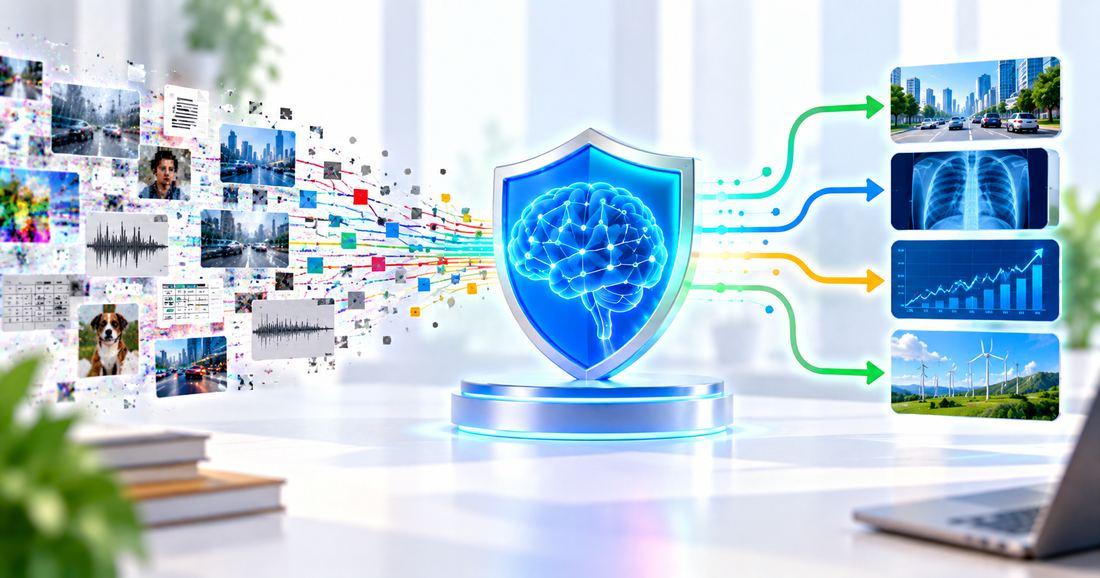
Artificial intelligence changes this equation completely. Modern enterprise software can now interpret natural language, retrieve information from multiple business systems, analyze structured and unstructured data simultaneously, automate repetitive workflows, generate recommendations, and assist employees with complex problem-solving. Instead of functioning merely as digital record-keeping systems, enterprise applications are evolving into intelligent business platforms capable of reasoning about organizational knowledge and supporting real-time decision-making. This transformation represents the largest architectural shift in enterprise software since the adoption of cloud computing and is laying the foundation for an entirely new generation of AI-native business applications.
The Evolution of Enterprise Software
Enterprise software has progressed through several major technological eras, each solving increasingly sophisticated business challenges. Early legacy enterprise systems focused primarily on replacing manual record keeping with structured databases. Applications such as ERP, CRM, and accounting software standardized business processes by enforcing predefined workflows and ensuring consistent data management across departments. Although these systems dramatically improved operational efficiency, they remained heavily dependent on human users to interpret information and make decisions.
The next major transformation arrived through cloud computing, enabling organizations to deploy enterprise software without maintaining expensive on-premises infrastructure. Cloud-based enterprise platforms introduced scalability, accessibility, continuous updates, and easier integration across distributed organizations. Employees gained access to business applications from anywhere, while vendors continuously improved products through centralized cloud services. Cloud transformation significantly accelerated digital business operations but largely preserved the underlying architecture of rule-based software.
As organizations embraced digital transformation, enterprise applications evolved into comprehensive digital platforms that connected employees, customers, suppliers, partners, and business processes through integrated ecosystems. APIs, workflow automation, analytics platforms, collaboration tools, and enterprise search expanded the capabilities of traditional software while improving organizational connectivity. Nevertheless, users still needed to navigate multiple interfaces, search manually for information, and coordinate decisions across disconnected systems.
AI as the New Enterprise Interface
Artificial intelligence is fundamentally changing how employees interact with enterprise software. Instead of navigating complex menus, dashboards, forms, and reports, users increasingly communicate through natural language interaction. Employees can ask business questions conversationally, request reports, summarize documents, retrieve organizational knowledge, automate workflows, and receive recommendations without learning complicated software interfaces.
This shift has accelerated the adoption of enterprise copilots, intelligent assistants embedded directly within business applications. Enterprise copilots help employees complete tasks more efficiently by retrieving information, generating content, analyzing data, drafting communications, summarizing meetings, explaining business metrics, and guiding workflow execution. Rather than replacing enterprise applications, copilots transform how users interact with them by making sophisticated functionality accessible through simple conversational requests.
The emergence of conversational software also reduces the learning curve associated with enterprise applications. Employees no longer need extensive training to navigate numerous screens or remember complicated procedures. Instead, they describe objectives in natural language while AI interprets intent, retrieves relevant information, and performs appropriate actions across connected enterprise systems.
From Systems of Record to Systems of Intelligence
Historically, enterprise software functioned primarily as systems of record, maintaining accurate business information for transactions, compliance, reporting, and operational management. These systems excelled at storing data but contributed relatively little toward interpreting or acting upon that information. Artificial intelligence is transforming enterprise applications into systems of intelligence capable of understanding organizational knowledge and supporting complex business decisions.
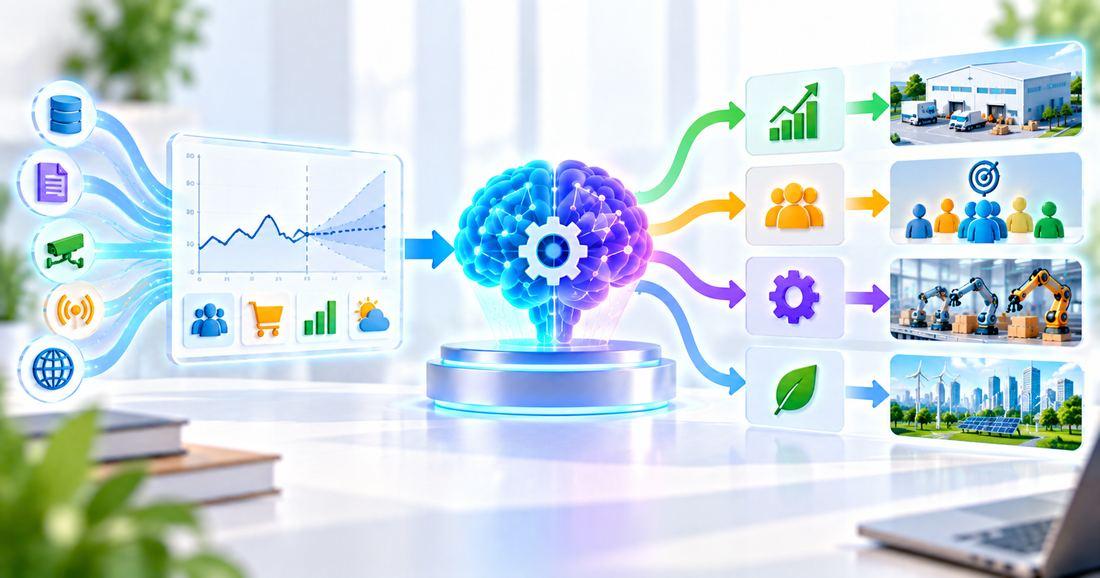
Modern enterprise software increasingly combines structured business data with broader enterprise knowledge including technical documentation, policies, customer interactions, emails, contracts, support tickets, operational procedures, research reports, and collaboration history. AI retrieves and synthesizes this knowledge dynamically, allowing employees to access comprehensive organizational context without manually searching multiple repositories.
Once relevant information has been assembled, AI performs reasoning across diverse business sources. Instead of simply presenting reports, enterprise software identifies relationships, summarizes findings, evaluates alternatives, predicts outcomes, and recommends actions according to organizational objectives. Reasoning transforms enterprise applications into active participants within business decision-making rather than passive repositories of information.
AI also enables context-aware decisions by considering user roles, organizational priorities, historical interactions, operational metrics, business policies, and current enterprise conditions simultaneously. Recommendations become increasingly relevant because enterprise software understands both the immediate request and the broader organizational context surrounding it.
Perhaps most importantly, AI introduces continuous adaptation. Enterprise software learns from user interactions, workflow outcomes, operational feedback, and evolving organizational knowledge to improve recommendations over time. Rather than remaining static between software releases, intelligent enterprise applications continuously refine their behavior, making organizations progressively more efficient as they accumulate experience.
The transformation from systems of record to systems of intelligence represents the most significant evolution in enterprise software history. Businesses are no longer investing merely in digital platforms that store information; they are building intelligent ecosystems capable of understanding, reasoning, learning, and collaborating alongside employees. As artificial intelligence becomes deeply embedded within enterprise architecture, software itself evolves from operational infrastructure into strategic organizational intelligence.
Readers interested in understanding why AI expertise is becoming essential across every engineering organization should also explore "Why Every Software Team Will Have an AI Engineer by 2030," which examines how AI-native engineering teams are reshaping the future of enterprise software.
Key Takeaway
Enterprise software is undergoing its biggest transformation because traditional rule-based systems can no longer meet the demands of an AI-driven economy. Legacy applications built around static workflows, information silos, and manual decision-making are evolving into AI-native platforms that understand natural language, retrieve enterprise knowledge, reason across business data, and continuously adapt to changing organizational needs. Organizations that embrace this shift from systems of record to systems of intelligence will build enterprise software capable of delivering greater productivity, smarter decision-making, and sustainable competitive advantage in the next generation of digital business.
Section 2: Building AI-Native Enterprise Software
The transformation of enterprise software is no longer centered on adding isolated AI features to existing business applications. Instead, organizations are redesigning enterprise systems from the ground up around intelligence, adaptability, and autonomous decision-making. Traditional enterprise software was primarily responsible for storing information, enforcing workflows, and generating reports, leaving employees responsible for interpreting data and determining the next course of action. AI-native enterprise software fundamentally changes this relationship by embedding reasoning, context awareness, knowledge retrieval, and intelligent automation directly into business applications. Rather than functioning as passive repositories of information, modern enterprise platforms increasingly collaborate with users to solve business problems, automate operations, and optimize organizational performance.
Building AI-native enterprise software requires a different architectural philosophy from conventional application development. Intelligence can no longer exist as an isolated chatbot connected to an existing database. Instead, every component of the application must be designed to support continuous reasoning, contextual understanding, enterprise-wide knowledge retrieval, workflow orchestration, and adaptive learning. Technologies such as Retrieval-Augmented Generation (RAG), AI agents, enterprise orchestration platforms, Large Language Models (LLMs), semantic search, vector databases, and context engineering collectively create applications capable of understanding business intent rather than simply executing predefined commands.
Retrieval-Augmented Enterprise Applications
One of the defining characteristics of AI-native enterprise software is its ability to retrieve and reason over organizational knowledge before generating responses. This capability is made possible through Retrieval-Augmented Generation (RAG), which enables enterprise applications to combine the reasoning capabilities of Large Language Models with continuously updated business information.
Traditional enterprise software typically relied on structured database queries that returned predefined records according to explicit search criteria. Modern enterprise applications instead use enterprise search systems capable of understanding the meaning behind user requests rather than matching exact keywords. Employees can ask complex business questions in natural language, while AI retrieves relevant information from technical documentation, customer records, contracts, knowledge bases, support tickets, policies, financial reports, emails, and collaboration platforms simultaneously.
Supporting this capability is intelligent knowledge retrieval. Rather than requiring users to search across multiple repositories manually, enterprise applications automatically gather the most relevant organizational information before generating responses. For example, a sales manager requesting customer insights may receive information synthesized from CRM systems, customer support interactions, previous communications, purchasing history, product documentation, and market intelligence without opening multiple applications independently.
Personalization at Enterprise Scale
One of the greatest advantages of AI-native enterprise software is its ability to deliver highly personalized experiences while serving thousands of employees simultaneously. Traditional enterprise applications often presented identical interfaces and workflows regardless of user responsibilities, requiring individuals to customize their experience manually. AI enables enterprise software to personalize interactions dynamically according to organizational context.
Effective personalization begins with understanding user context. Enterprise applications recognize employee roles, departments, project assignments, permissions, workflow history, communication preferences, and current business objectives before generating responses. A financial controller requesting operational insights receives different information than a sales executive or software engineer because the AI understands their respective responsibilities.
This contextual awareness enables role-aware AI, where enterprise software tailors recommendations according to organizational function. Human resource professionals receive workforce insights, customer support teams access service knowledge, engineering teams retrieve technical documentation, while executives receive strategic summaries supported by enterprise-wide operational intelligence. Rather than offering generic responses, AI adapts automatically according to each employee's business responsibilities.
Continuous learning also enables adaptive workflows. Enterprise software observes how users complete tasks, identifies preferred processes, recognizes recurring activities, and recommends workflow improvements that reduce manual effort. Over time, applications become increasingly aligned with organizational practices because they continuously refine workflow recommendations according to real-world usage.
Finally, AI delivers intelligent recommendations throughout enterprise operations. Instead of requiring employees to search for reports, documents, or next actions manually, AI proactively suggests relevant information, identifies operational risks, recommends business opportunities, highlights anomalies, and assists decision-making before problems arise. Recommendations become increasingly valuable because they combine enterprise knowledge, user context, historical interactions, and real-time business conditions into actionable insights.
Collectively, Retrieval-Augmented Generation, AI agents, enterprise orchestration, and personalization define the architecture of AI-native enterprise software. These technologies transform traditional business applications into intelligent platforms capable of understanding organizational knowledge, automating complex workflows, collaborating across enterprise systems, and adapting continuously to evolving business requirements. Organizations investing in these architectures today are building the digital infrastructure that will power the next generation of enterprise operations within an AI-driven economy.
Readers interested in understanding how intelligent orchestration enables autonomous enterprise systems should also explore "The Engineering Behind Autonomous AI Workflows," which examines the architectures, orchestration strategies, and engineering principles behind AI-native enterprise applications.
Key Takeaway
AI-native enterprise software is built around intelligence rather than predefined workflows. Retrieval-Augmented Generation (RAG), enterprise search, AI agents, workflow automation, multi-agent collaboration, AI orchestration, ERP and CRM integration, context engineering, adaptive workflows, and intelligent recommendations collectively transform enterprise applications into systems capable of reasoning, learning, and acting on behalf of users. Organizations that embrace these architectural principles will build enterprise software that delivers greater productivity, stronger collaboration, smarter decision-making, and sustained competitive advantage in the AI-driven economy.
Section 3: Engineering Enterprise Software for the AI Economy
As enterprise software evolves into intelligent business platforms, engineering priorities are changing dramatically. Traditional enterprise application development focused primarily on building reliable transactional systems capable of storing structured information, enforcing business rules, and supporting predictable workflows. While these capabilities remain essential, they are no longer sufficient for organizations competing in an AI-driven economy. Modern enterprise applications must retrieve organizational knowledge, reason across multiple business systems, coordinate autonomous AI agents, personalize user experiences, generate recommendations, and continuously improve through real-world interactions. Supporting these capabilities requires an entirely new engineering foundation that extends far beyond conventional software architecture.
The emergence of AI-native enterprise software has introduced operational challenges that did not previously exist. Organizations must manage multiple Large Language Models (LLMs), Retrieval-Augmented Generation (RAG) pipelines, vector databases, enterprise search platforms, AI agents, prompt repositories, orchestration frameworks, governance policies, and observability platforms simultaneously. Every AI-powered feature increases operational complexity, making centralized infrastructure and standardized engineering practices increasingly important. As a result, enterprises are shifting toward platform-oriented AI architectures where shared infrastructure enables multiple teams to build intelligent applications consistently and securely.
Engineering enterprise software for the AI economy therefore requires a multidisciplinary approach that combines cloud infrastructure, distributed systems, artificial intelligence, cybersecurity, governance, observability, and business strategy. Success depends not only on building intelligent applications but also on operating them reliably, securely, and at enterprise scale. Organizations investing in these engineering capabilities today are creating the technological foundation required to support the next generation of AI-powered business operations.
AI Platform Engineering
One of the most significant developments in enterprise software is the rise of AI Platform Engineering. Similar to how cloud platforms standardized infrastructure management for modern software development, AI platforms provide reusable services that simplify the development and deployment of intelligent applications across the organization.
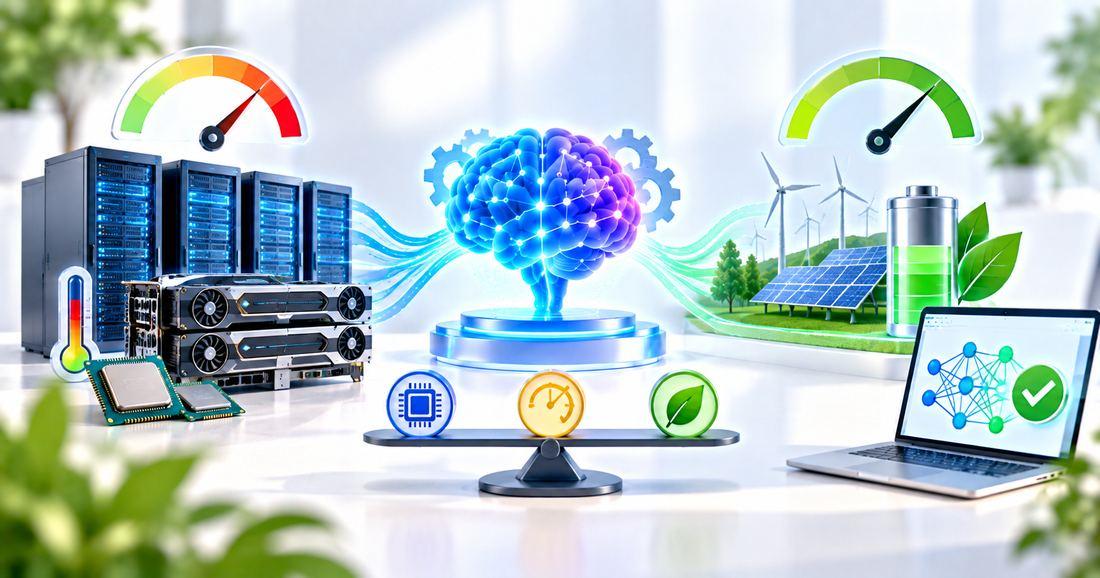
These platforms establish centralized enterprise AI infrastructure where language models, Retrieval-Augmented Generation services, vector databases, prompt management systems, orchestration frameworks, AI gateways, and observability tools are managed as shared enterprise resources. Instead of requiring every product team to configure AI infrastructure independently, organizations create standardized platforms that provide secure and consistent access to intelligent capabilities.
Many enterprises also build shared AI services that can be reused across multiple business applications. Customer service platforms, internal knowledge assistants, software engineering copilots, analytics systems, document processing solutions, and workflow automation tools all consume common AI capabilities through standardized APIs and platform services. Shared infrastructure reduces duplication while improving consistency across engineering teams.
This approach leads naturally to the creation of internal AI platforms. Rather than treating AI as isolated application features, organizations establish dedicated AI platforms responsible for model management, orchestration, prompt libraries, authentication, governance, deployment automation, and operational monitoring. These platforms accelerate AI adoption because product teams focus on solving business problems instead of repeatedly implementing infrastructure.
Measuring Business Value
The success of AI-native enterprise software cannot be evaluated solely through technical benchmarks. Organizations increasingly assess AI initiatives according to their contribution to measurable business outcomes, making value measurement an essential component of enterprise software engineering.
One of the most visible impacts is improved productivity. AI-powered enterprise applications automate repetitive work, accelerate information retrieval, simplify decision-making, reduce manual documentation, assist software development, and streamline collaboration across departments. Measuring productivity improvements helps organizations quantify the operational benefits generated through AI adoption.
Engineering teams also evaluate AI return on investment (AI ROI). AI infrastructure represents a significant organizational investment involving cloud computing resources, foundation models, engineering expertise, governance platforms, and operational tooling. Organizations therefore monitor financial outcomes including cost reductions, revenue growth, operational savings, customer satisfaction improvements, and employee efficiency to determine whether AI initiatives deliver sustainable business value.
Another important consideration is operational efficiency. AI-native enterprise software should reduce process complexity, shorten workflow completion times, improve resource utilization, eliminate redundant activities, and increase overall organizational agility. Operational metrics provide objective evidence that AI is strengthening business performance rather than simply introducing new technology.
Ultimately, enterprise leaders evaluate AI according to its contribution to broader enterprise transformation. Successful AI implementations create more intelligent organizations where employees access knowledge more easily, make faster decisions, collaborate more effectively, automate repetitive work, and respond rapidly to changing business conditions. Enterprise transformation therefore becomes the most meaningful measure of AI success because it reflects how effectively technology improves the organization's overall ability to compete within the AI-driven economy.
Engineering enterprise software for the AI economy requires much more than integrating Large Language Models into existing applications. Organizations must establish AI platforms, governance frameworks, security architectures, observability systems, operational excellence, and business measurement capabilities that support intelligent applications throughout their entire lifecycle. These engineering foundations enable enterprise software to evolve continuously while maintaining the reliability, transparency, and scalability required by modern businesses. As AI becomes deeply embedded within every enterprise function, organizations that master these engineering disciplines will build software ecosystems capable of sustaining innovation and delivering lasting competitive advantage.
Readers interested in understanding how engineering excellence influences business outcomes should also explore "The Business of AI: What Every ML Engineer Should Know Beyond Coding," which examines how AI engineering, governance, platform operations, and enterprise strategy work together to create successful AI-native organizations.
Key Takeaway
Engineering enterprise software for the AI economy requires a robust foundation built on AI Platform Engineering, shared AI services, governance, security, observability, operational excellence, and business value measurement. By combining enterprise AI infrastructure with Responsible AI practices, continuous monitoring, performance optimization, and measurable business outcomes, organizations can build AI-native enterprise software that is secure, scalable, intelligent, and capable of driving long-term digital transformation in an increasingly AI-driven economy.
Section 4: The Next Generation of Enterprise Software
Enterprise software is entering one of the most significant periods of transformation since the emergence of cloud computing. Over the past several decades, organizations have invested heavily in systems that digitized operations, standardized workflows, centralized business data, and improved collaboration across departments. These platforms successfully became the backbone of modern enterprises, yet they largely remained transactional systems that depended on human employees to interpret information, coordinate activities, and make business decisions. Artificial intelligence is fundamentally changing this relationship. Instead of functioning as passive software that records business activity, future enterprise applications will actively participate in organizational decision-making, automate increasingly complex workflows, learn continuously from operational data, and collaborate intelligently with employees across every business function.
This transformation extends beyond simply embedding Large Language Models (LLMs) into existing enterprise applications. The next generation of enterprise software will be designed around intelligence from its foundation. Every interaction, workflow, recommendation, and business decision will contribute to continuously improving organizational knowledge. AI-native enterprise applications will observe how employees work, understand enterprise context, coordinate autonomous agents, optimize business processes, and proactively recommend actions before users recognize problems themselves. Software will evolve from being a collection of business applications into an adaptive enterprise intelligence platform that continuously strengthens organizational performance.
Autonomous Enterprise Applications
One of the most significant developments shaping enterprise software is the emergence of autonomous enterprise applications. Traditional business systems required users to initiate workflows, interpret reports, approve transactions, and coordinate activities manually. Future enterprise applications will increasingly perform many of these responsibilities independently while remaining under appropriate human oversight.
These systems become self-improving software by continuously analyzing operational data, user interactions, workflow outcomes, and organizational knowledge. Instead of waiting for periodic software updates, enterprise applications refine retrieval strategies, optimize recommendations, strengthen workflow automation, improve personalization, and adapt interfaces according to production usage. Every business interaction contributes valuable intelligence that enhances future performance.
Autonomous enterprise applications also provide advanced AI decision support. Rather than simply presenting dashboards or reports, AI analyzes financial trends, customer behavior, operational metrics, engineering activities, compliance requirements, and market conditions simultaneously before recommending appropriate business actions. Employees remain responsible for strategic decisions, but enterprise software increasingly provides context-aware guidance supported by comprehensive organizational intelligence.
Another defining capability involves intelligent workflows. Enterprise applications coordinate approvals, customer interactions, procurement activities, engineering deployments, compliance verification, and operational planning dynamically rather than relying exclusively on static process definitions. Intelligent workflows adapt automatically according to changing business conditions while ensuring governance policies remain consistently enforced.
AI-Native Organizations
As enterprise software evolves, organizations themselves will undergo significant transformation. Future businesses will increasingly become AI-native organizations, where artificial intelligence is integrated into every operational function rather than existing within isolated technology initiatives.
This transformation requires developing a strong AI-first culture. Employees across engineering, finance, marketing, operations, legal, healthcare, sales, and customer service will routinely collaborate with intelligent systems as part of their daily responsibilities. Rather than viewing AI as a specialized technology used by technical teams alone, organizations will incorporate AI into ordinary business workflows, making intelligent decision support available throughout the enterprise.
AI-native organizations will also build comprehensive enterprise intelligence by connecting structured databases, documents, collaboration platforms, customer interactions, operational metrics, technical knowledge, and historical business decisions into unified knowledge ecosystems. Employees gain immediate access to relevant organizational expertise regardless of where information originates, significantly improving productivity and collaboration.
Software That Learns Continuously
Perhaps the most important characteristic of future enterprise software is its ability to improve continuously after deployment. Traditional applications remained relatively static until engineering teams released updated software versions. AI-native systems instead evolve through ongoing observation, learning, and optimization.
Continuous improvement begins through robust feedback loops. Every conversation with an enterprise copilot, workflow completion, customer interaction, recommendation, document search, and operational decision generates valuable feedback describing how employees use enterprise software. Rather than treating these interactions as isolated events, AI systems analyze patterns that reveal opportunities for improving workflows, retrieval quality, personalization, and organizational efficiency.
Over time, enterprise applications develop increasingly sophisticated organizational memory. Business decisions, project histories, engineering knowledge, customer communications, operational procedures, and strategic discussions become part of a continuously expanding knowledge ecosystem. Future AI applications retrieve this accumulated intelligence automatically, allowing employees to benefit from years of organizational experience without manually searching multiple repositories.
Supporting this capability is adaptive AI, where enterprise applications continuously refine recommendations according to changing organizational priorities, user preferences, workflow outcomes, and business objectives. Instead of relying on static configurations, AI dynamically adjusts behavior according to current operational conditions while maintaining governance and transparency.
This ongoing learning enables continuous optimization across the enterprise. AI systems identify workflow bottlenecks, recommend process improvements, optimize resource allocation, strengthen knowledge retrieval, improve decision quality, and automate repetitive activities through production experience. Enterprise software therefore becomes progressively more valuable because every interaction contributes additional organizational intelligence.
Preparing for the AI-Driven Economy
Successfully adopting AI-native enterprise software requires organizations to rethink both technology strategy and workforce development. Engineering teams must acquire future-ready skills spanning Large Language Models, Retrieval-Augmented Generation (RAG), AI agents, enterprise architecture, cloud computing, cybersecurity, AI observability, prompt engineering, distributed systems, governance, and AI platform engineering. These multidisciplinary capabilities enable organizations to design intelligent enterprise systems capable of operating reliably at scale.
Organizations must also develop comprehensive AI product strategies. Rather than adding isolated AI features to existing applications, product teams increasingly design software around continuous intelligence, enterprise knowledge integration, workflow automation, personalization, and adaptive user experiences. Strategic planning therefore shifts from feature-centric roadmaps toward long-term intelligence platforms that improve continuously after deployment.
Equally important is modernizing enterprise architecture. Future enterprise systems will rely upon AI orchestration platforms, shared enterprise knowledge, vector databases, Retrieval-Augmented Generation pipelines, AI observability frameworks, governance platforms, and secure AI infrastructure operating across every business application. Centralized AI architecture ensures intelligence remains consistent, scalable, secure, and maintainable throughout the organization.
Ultimately, organizations embracing these capabilities achieve sustainable competitive advantage. As advanced language models become widely available, differentiation will increasingly depend on how effectively enterprises integrate AI into their software, workflows, decision-making processes, and organizational knowledge. Businesses capable of building continuously learning, AI-native enterprise software will innovate faster, improve productivity more consistently, respond more rapidly to market changes, and deliver superior customer experiences than competitors relying on traditional business applications.
The future of enterprise software will therefore be defined not by systems that simply execute predefined workflows but by intelligent platforms that continuously observe, learn, reason, automate, and collaborate with humans. Enterprise applications will evolve into adaptive digital colleagues capable of transforming organizational knowledge into meaningful business action. As the AI-driven economy continues expanding, AI-native enterprise software will become the foundation upon which modern organizations compete, innovate, and create long-term value.
Readers interested in understanding how cutting-edge AI research becomes production-ready enterprise systems should also explore "Research to Real-World ML Engineering: Bridging the Gap," which examines how engineering teams transform emerging AI innovations into scalable, intelligent enterprise platforms.
Key Takeaway
The next generation of enterprise software will be characterized by autonomous enterprise applications, AI-native organizations, continuous learning, adaptive intelligence, and enterprise-wide collaboration. Through AI decision support, intelligent workflows, organizational memory, adaptive AI, AI-first cultures, and modern enterprise architectures, businesses will move beyond traditional systems of record toward intelligent systems of action. Organizations that embrace these AI-native principles today will establish lasting competitive advantages by building enterprise software that continuously learns, evolves, and drives business transformation in the AI-driven economy.
Conclusion
Enterprise software is experiencing the most profound transformation since the emergence of cloud computing. For decades, business applications focused on digitizing operations, storing structured data, enforcing business rules, and improving organizational efficiency through standardized workflows. These systems became indispensable because they provided consistency, reliability, and operational control across every business function. However, they were designed for an era in which employees remained responsible for interpreting information, connecting insights across multiple systems, and making critical business decisions manually. As organizations generate exponentially larger volumes of structured and unstructured data while operating in increasingly dynamic markets, traditional enterprise software is reaching the limits of what rule-based applications can achieve. Artificial intelligence is redefining these limitations by transforming enterprise software from passive systems that record business activity into intelligent platforms capable of understanding context, reasoning across organizational knowledge, and supporting decision-making in real time.
Throughout this article, we explored how enterprise software is evolving into AI-native business platforms built around intelligence rather than predefined workflows. The journey from legacy enterprise systems to cloud computing and digital platforms laid the technological foundation for this transformation, but artificial intelligence introduces capabilities that fundamentally change how enterprise applications operate. Large Language Models (LLMs), Retrieval-Augmented Generation (RAG), enterprise search, AI copilots, semantic reasoning, and intelligent automation allow business applications to retrieve relevant knowledge, understand natural language, synthesize information from multiple systems, and generate actionable recommendations. Instead of requiring employees to navigate numerous interfaces and manually combine information from different business applications, AI-native software provides a unified layer of enterprise intelligence that delivers context-aware assistance whenever and wherever it is needed.
Frequently Asked Questions (FAQs)
1. What is AI-native enterprise software?
AI-native enterprise software is business software designed with artificial intelligence as a core architectural component. It combines Large Language Models (LLMs), Retrieval-Augmented Generation (RAG), AI agents, automation, and enterprise knowledge to help users make decisions, automate workflows, and improve productivity.
2. How is AI changing enterprise software?
AI is transforming enterprise software from rule-based systems into intelligent platforms that understand natural language, retrieve enterprise knowledge, automate business processes, personalize user experiences, and provide context-aware recommendations.
3. What role do Large Language Models play in enterprise software?
Large Language Models enable enterprise software to understand natural language, summarize information, generate content, answer business questions, automate tasks, and support decision-making through conversational interfaces.
4. What is Retrieval-Augmented Generation (RAG) in enterprise applications?
Retrieval-Augmented Generation (RAG) is an AI architecture that retrieves relevant enterprise knowledge from documents, databases, and knowledge repositories before generating responses, improving accuracy while reducing hallucinations.
5. How do AI agents improve enterprise software?
AI agents automate workflows, coordinate business processes, retrieve enterprise information, interact with APIs, execute repetitive tasks, collaborate with other AI agents, and assist employees with complex operational activities.
6. What is an enterprise copilot?
An enterprise copilot is an AI-powered assistant integrated into business applications that helps employees retrieve information, automate tasks, generate reports, summarize documents, answer questions, and improve productivity using natural language interactions.
7. How does AI orchestration work across enterprise systems?
AI orchestration coordinates communication between enterprise applications such as ERP, CRM, HR systems, APIs, cloud platforms, AI agents, and knowledge repositories to automate workflows and provide unified enterprise intelligence.
8. How does AI improve enterprise productivity?
AI improves productivity by automating repetitive work, reducing manual searches, providing intelligent recommendations, accelerating decision-making, personalizing workflows, improving collaboration, and enabling employees to focus on strategic tasks.
9. What challenges exist when building AI-native enterprise software?
Organizations commonly face challenges related to enterprise data integration, governance, security, privacy, AI hallucinations, scalability, observability, compliance, infrastructure complexity, and continuous model optimization.
10. How do organizations secure AI-powered enterprise applications?
Organizations secure AI applications through authentication, authorization, encryption, role-based access control, secure APIs, governance frameworks, audit logging, AI monitoring, privacy controls, and Responsible AI practices.
11. What is AI observability?
AI observability is the continuous monitoring of AI systems to evaluate model performance, retrieval accuracy, prompt quality, infrastructure health, user interactions, hallucinations, latency, and operational reliability.
12. How do enterprises measure AI ROI?
Organizations measure AI return on investment (ROI) through improvements in employee productivity, operational efficiency, customer satisfaction, workflow automation, revenue growth, cost reduction, decision quality, and business transformation outcomes.
13. What skills are needed to build AI-native enterprise software?
Engineers should develop expertise in Large Language Models (LLMs), Retrieval-Augmented Generation (RAG), AI agents, prompt engineering, AI orchestration, cloud computing, distributed systems, AI Platform Engineering, cybersecurity, AI observability, enterprise architecture, APIs, governance, and software engineering.
14. What are AI-native organizations?
AI-native organizations embed artificial intelligence across every business function, enabling employees, AI assistants, enterprise copilots, and autonomous agents to collaborate continuously while improving productivity, innovation, and organizational decision-making.
15. What is the future of enterprise software in an AI-driven economy?
The future of enterprise software lies in intelligent, adaptive, and continuously learning platforms that combine AI reasoning, enterprise knowledge, autonomous workflows, AI agents, personalization, governance, and organizational memory. These AI-native systems will evolve from traditional systems of record into intelligent systems of action that collaborate with employees, automate complex operations, and continuously improve business performance, becoming the technological foundation of the AI-driven economy.